 By
ByNational Vaccination Day 2025: Vaccines Work For All
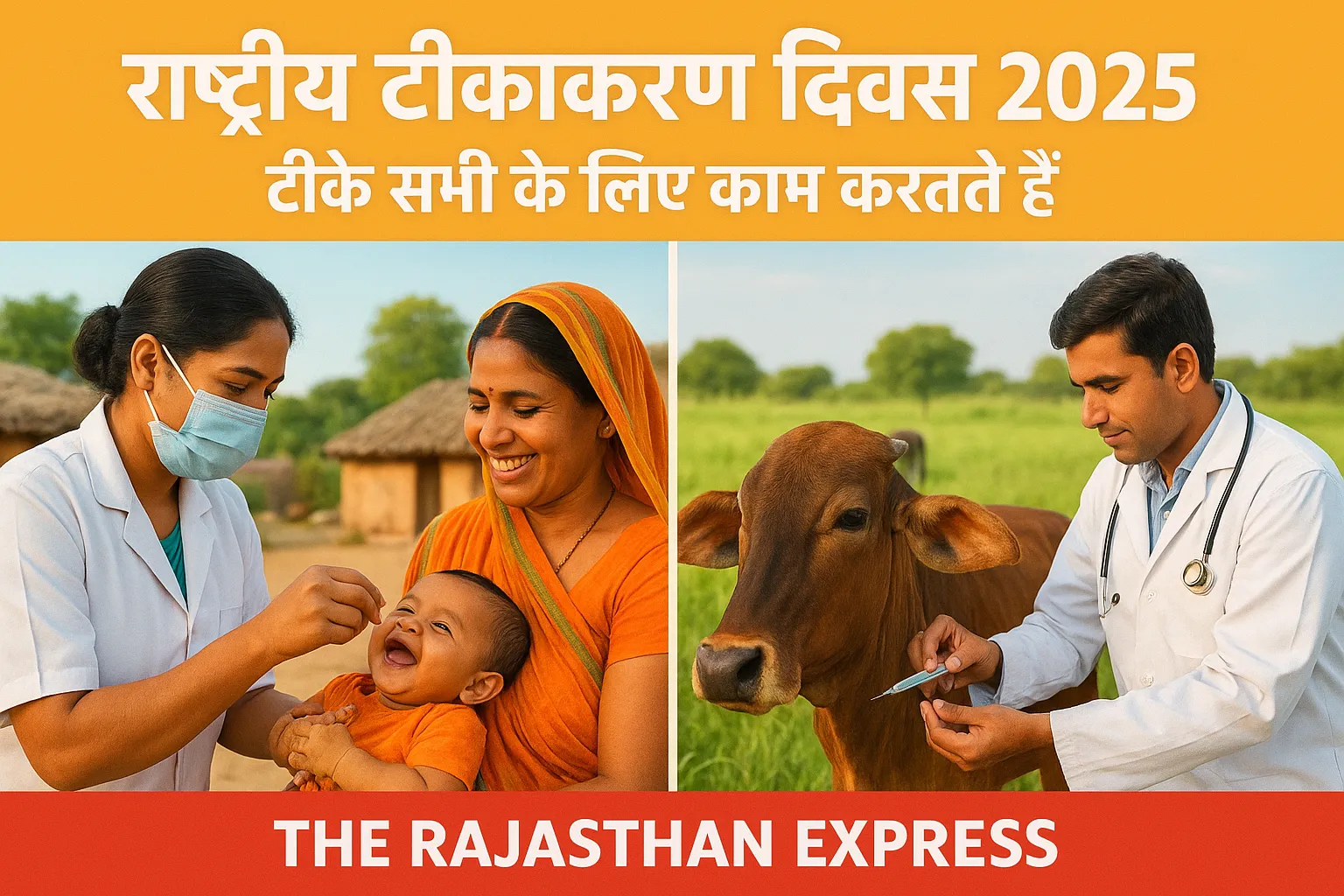
Introduction: The Holistic Importance of Immunization and the Need for a National Day
National Vaccination Day, also known as National Immunization Day, is a significant public health campaign observed annually in India on the 16th of March. Its primary objective is to spread awareness about the prevention of infectious diseases through vaccination. According to the World Health Organization, vaccines save the lives of more than 3 million people every year .
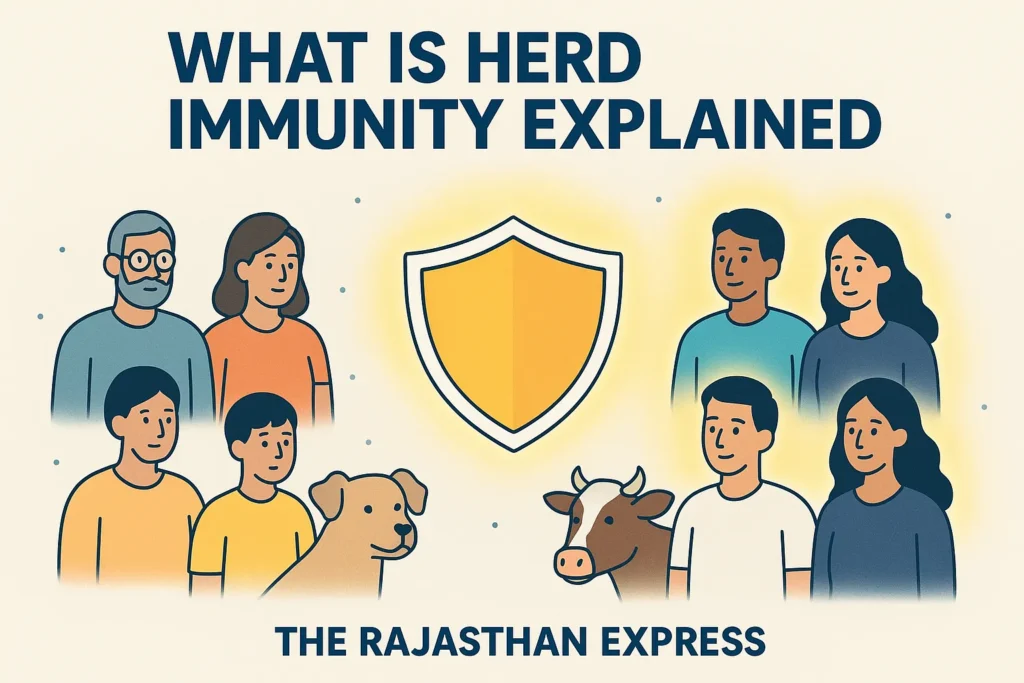
In a vast and populous country like India, where the risk of infectious diseases spreading rapidly is high, vaccination not only provides individual protection but also aids in building Herd Immunity, thereby protecting the entire community from diseases.
The Interconnectedness of Human and Animal Health
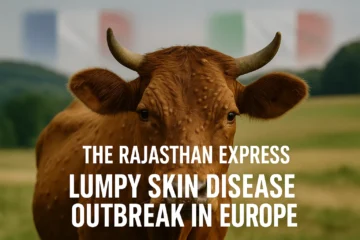
The scope of vaccination is not limited to human health alone. It is also the backbone of livestock health and the country’s economy. Animal vaccination plays a crucial role in preventing the spread of zoonotic diseases (diseases that spread from animals to humans). Vaccines are available to protect animals from deadly diseases such as Brucellosis, Anthrax, Lumpy Skin Disease, Foot-and-Mouth Disease, and Rabies. These vaccines not only protect the animals but also keep human communities safe from these diseases.
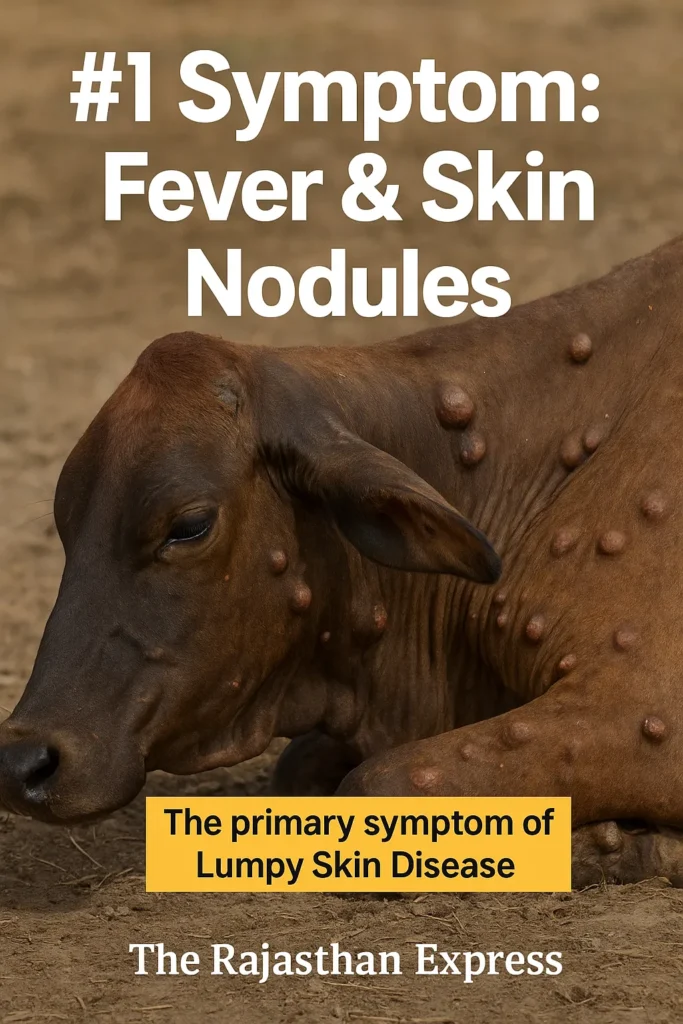
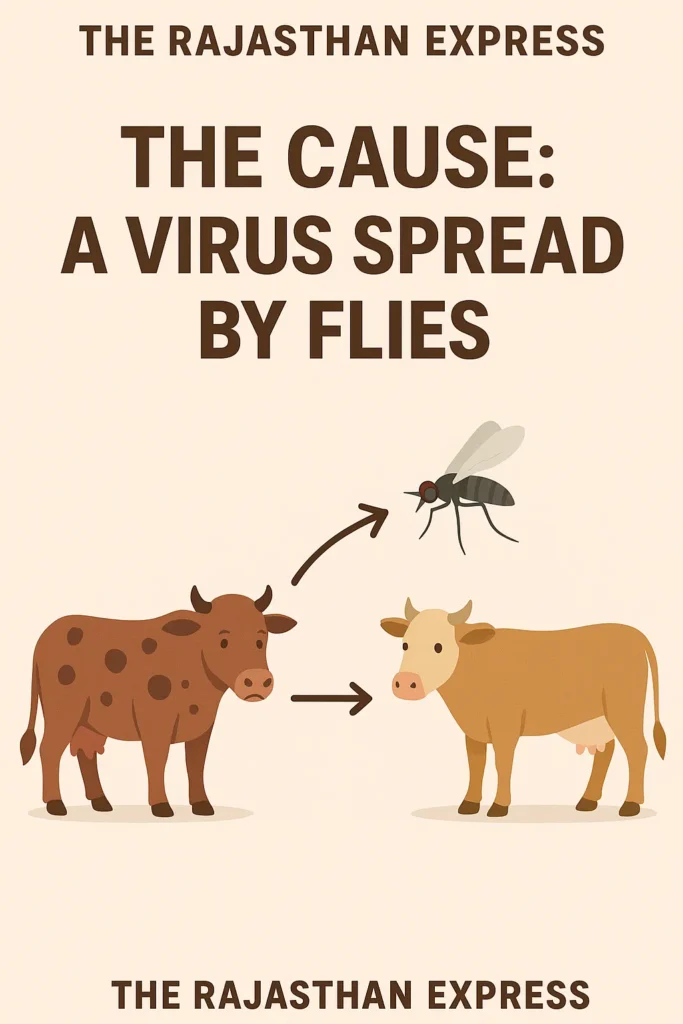
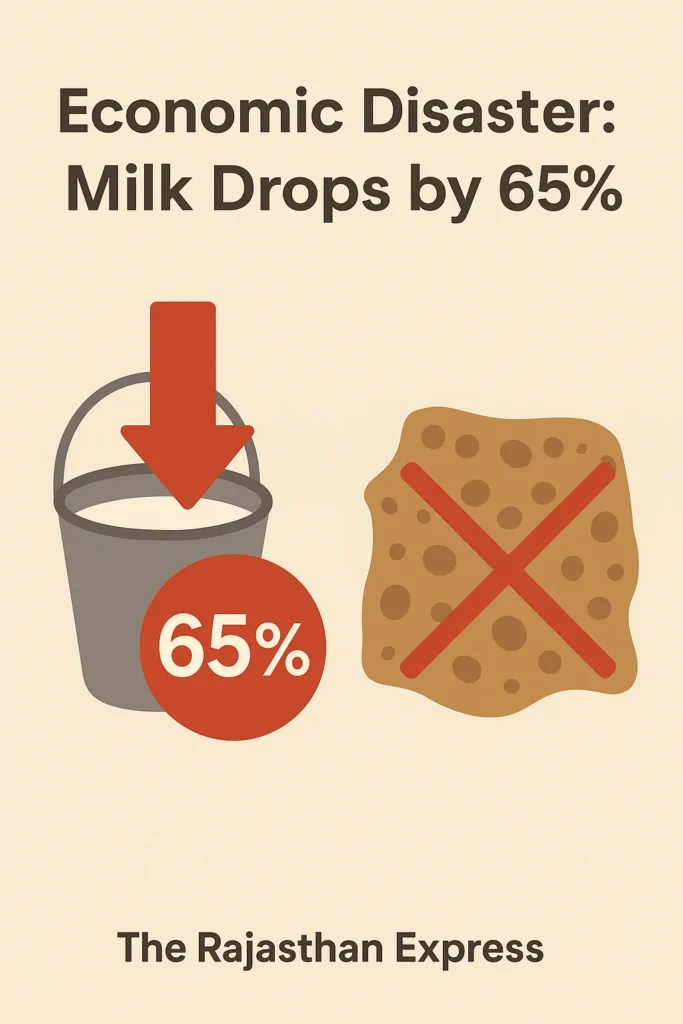
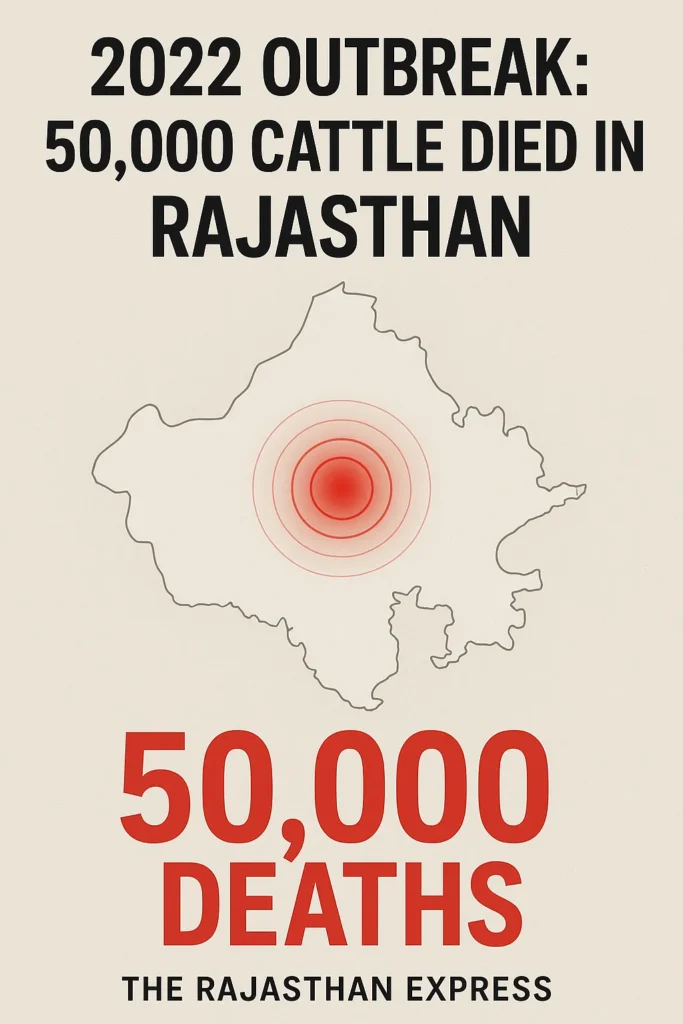
In a developing country like India, where animal husbandry is a crucial pillar of economic development, epidemics spreading among animals have a direct impact on the nation’s economy. Due to delayed or absent vaccination, diseases can spread rapidly from one animal to another, taking the form of an epidemic, causing massive economic losses for livestock owners. Some livestock owners, misled by misinformation, avoid vaccination, with consequences that prove fatal for their livelihoods.
The only reliable solution to combat these challenges is the timely and mandatory vaccination for diseases for which vaccines are available. The various schemes run by the government and combination vaccines (which provide protection against multiple diseases with a single injection) are commendable steps in this direction.
This day is dedicated to the tireless efforts of health workers, veterinarians, researchers, and volunteers who work day and night to ensure access to vaccines for the country’s people and their livestock.
What Is a Vaccine?: The Scientific Definition and History
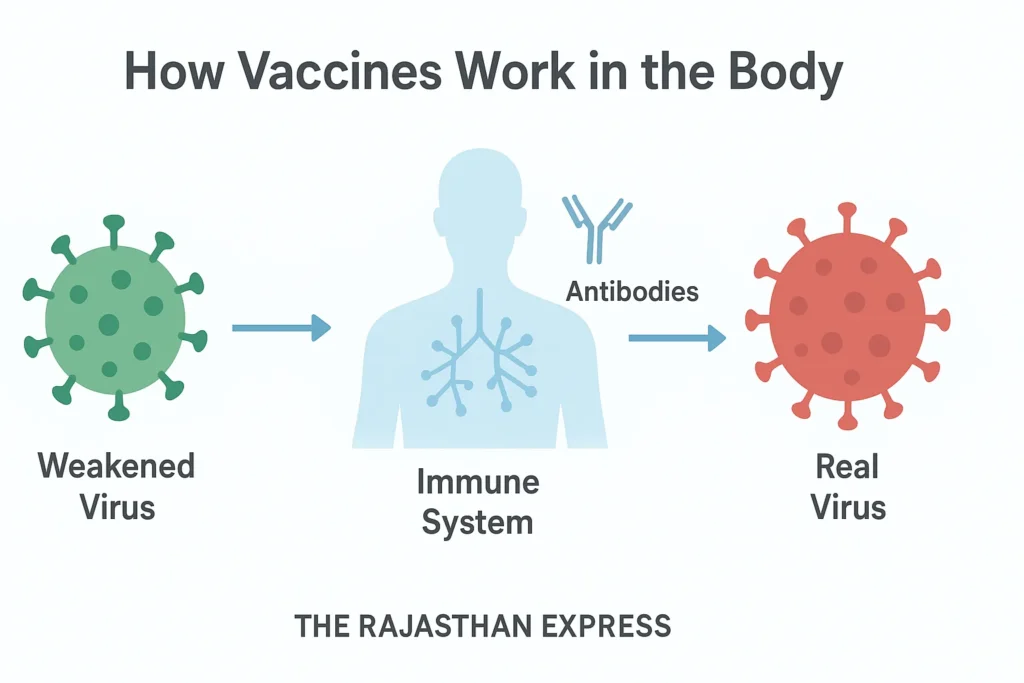
A vaccine is a biological preparation that is administered to develop active immunity against a specific infectious disease in the body. It contains weakened or killed parts of the pathogen, or its surface proteins (antigens). The main goal is to teach the body’s immune system to recognize that pathogen in advance, so that in the event of a future real infection, the body can mount a fast and effective response, preventing the individual or animal from becoming seriously ill.
How Do Vaccines Work in the Body?
The vaccine contains a safe version of the pathogen, which could be one of the following:
- Live but weakened (Attenuated) pathogen
- Killed (Inactivated) pathogen
- Only parts of the pathogen (e.g., proteins or polysaccharides)
- mRNA or vector-based vaccines made using newer technologies
When this preparation enters the body, the immune system recognizes it as a genuine infection and produces antibodies and memory cells. This process occurs without causing the disease. When the same pathogen attacks the body in the future, the memory cells immediately recognize it and initiate a rapid and powerful immune response, making the possibility of serious illness negligible.
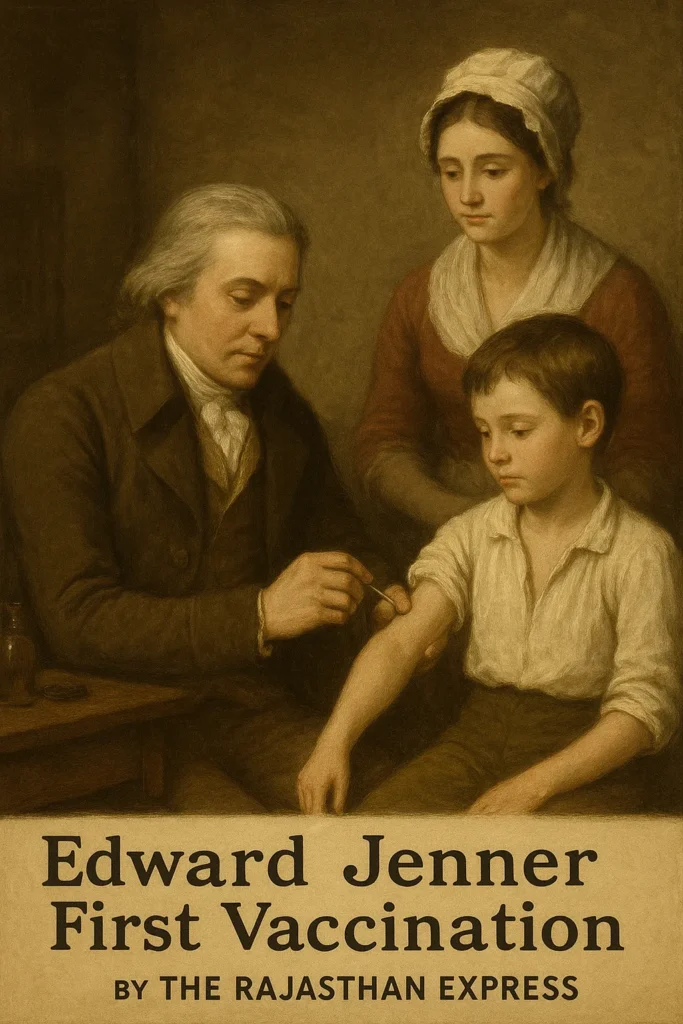
Edward Jenner and the First Vaccination in History
The term ‘vaccine‘ originates from the Latin word ‘Vacca’, which means cow. This is a direct reference to Edward Jenner’s historic experiment in 1796. Jenner observed that dairy workers infected with a mild disease of cows called Cowpox were protected from a deadly disease like Smallpox. Based on this observation, he infected a boy with cowpox and later proved that he had become immune to smallpox. Thus, this preparation, developed using the cowpox virus (Vaccinia Virus), became the world’s first scientific vaccine, and the entire field came to be named Vaccination after it.
Global History of Vaccination: A Timeline
The concept of vaccination was born long before modern science. Its evolution can be understood in the following key stages:
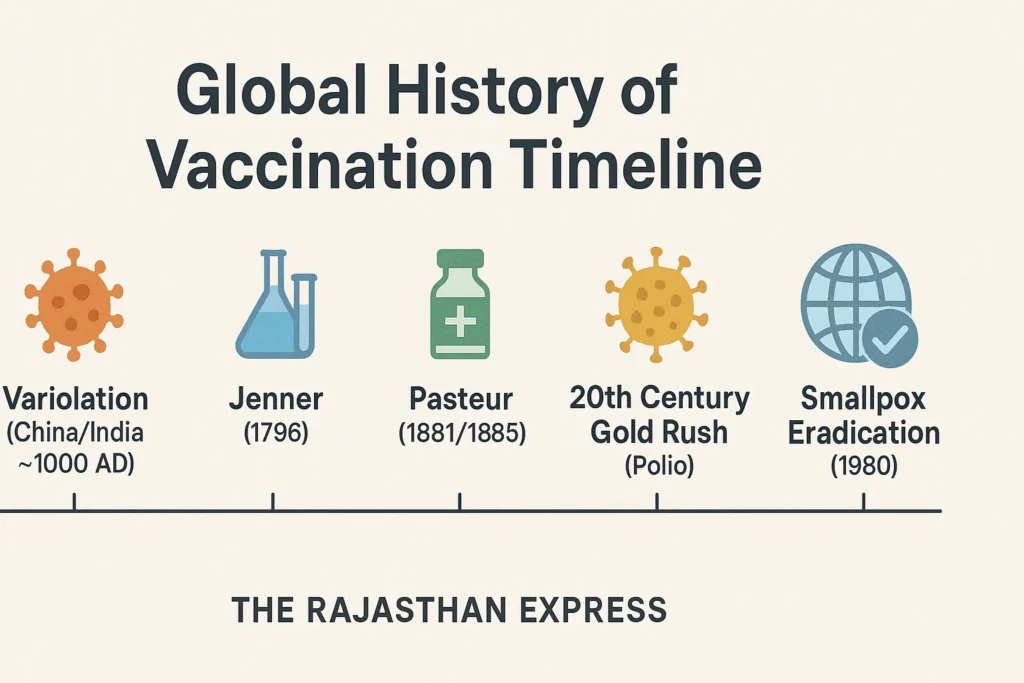
- Early Efforts (Variolation): Around 1000 AD, civilizations like China and India practiced a method called Variolation to prevent smallpox.
- A healthy person was inoculated with a scab or pus from a mild smallpox patient to induce a mild infection and provide lifelong immunity.
- However, this method was risky because the danger of developing a full-blown case of smallpox remained.
- The Birth of Modern Vaccination (1796): Edward Jenner’s experiment ended the era of variolation and began the era of scientific vaccination. His discovery proved that a mild animal-borne disease could be used to develop safe and effective immunity against a deadly human disease.
- The Era of Microbiology (19th Century): Louis Pasteur advanced Jenner’s work. He proved that diseases are caused by specific germs.
- The 20th Century: The Golden Age of Vaccines: Vaccines for many terrible diseases like diphtheria, tetanus, pertussis, measles, mumps, and rubella were developed in this century.
- The development of the Inactivated Polio Vaccine (IPV) by Jonas Salk (1955) and the Oral Polio Vaccine (OPV) by Albert Sabin (1962) was a major achievement that saved millions of children worldwide from paralysis.
- The Greatest Success: The Eradication of Smallpox: A global vaccination campaign was led by the World Health Organization (WHO).
- In 1980, smallpox was officially declared globally eradicated. This is the greatest victory of vaccination in human history, and to this day, smallpox is the only human disease to have been completely eradicated.
This historical journey paved the way for the development of cutting-edge vaccines like today’s COVID-19 mRNA vaccines.
India Polio Eradication Journey: A Landmark Success
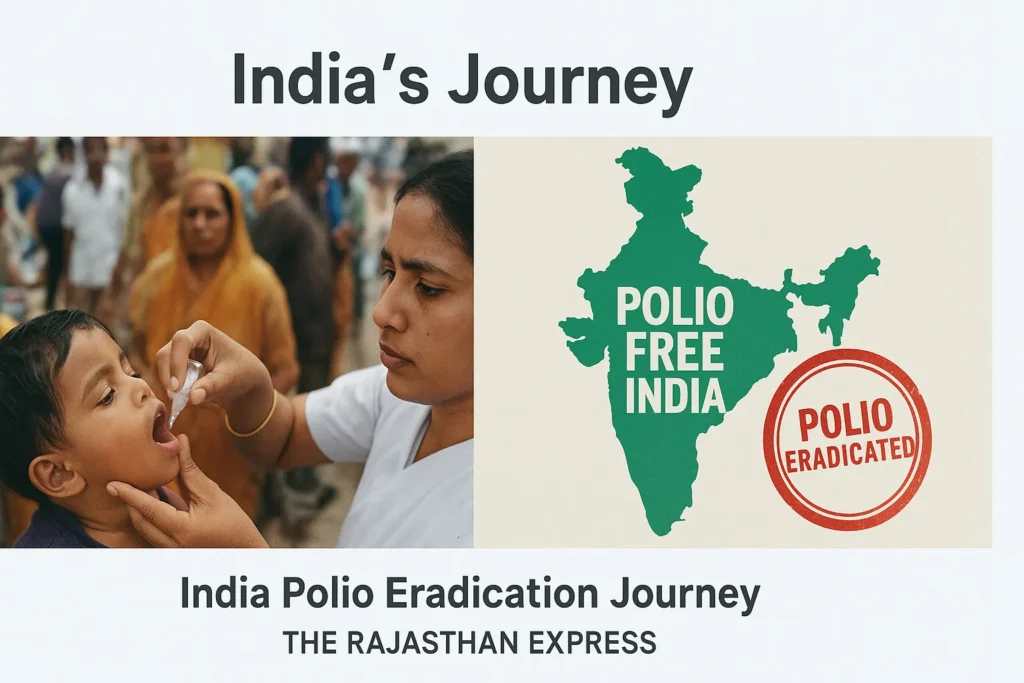
The beginning of National Vaccination Day in India is linked to March 16, 1995, when the first dose of the Oral Polio Vaccine (OPV) was administered to children across the country under the Pulse Polio Immunization Programme. At that time, polio cases were rising rapidly in the country, and a widespread campaign was needed to control this deadly disease. The tradition of celebrating this day every year as National Vaccination Day in India began from this day. The success of this campaign resulted in the World Health Organization declaring India a Polio-free country on March 27, 2014 . This historic achievement placed India’s immunization campaigns prominently on the global map.
| Major Diseases Eliminated/Controlled Through Vaccination | |||
| Disease | Vaccine Discovery/Development | Current Status | Remarks |
|---|---|---|---|
| Smallpox | Edward Jenner (1796) | Global Eradication (1980) | First disease eradicated in human history |
| Polio | Jonas Salk / Albert Sabin (1950s) | Eliminated in India (2014) | Near global eradication |
| Maternal & Neonatal Tetanus (MNT) | – | Eliminated in India (2015) | Less than 1 case per 1000 live births |
| Yaws | – | Eliminated in India (WHO) | India first Yaws-free country |
| The Rajasthan Express : Achievements in Vaccine-Based Disease Elimination | |||
India’s Immunization Programs Explained: A Structured Framework
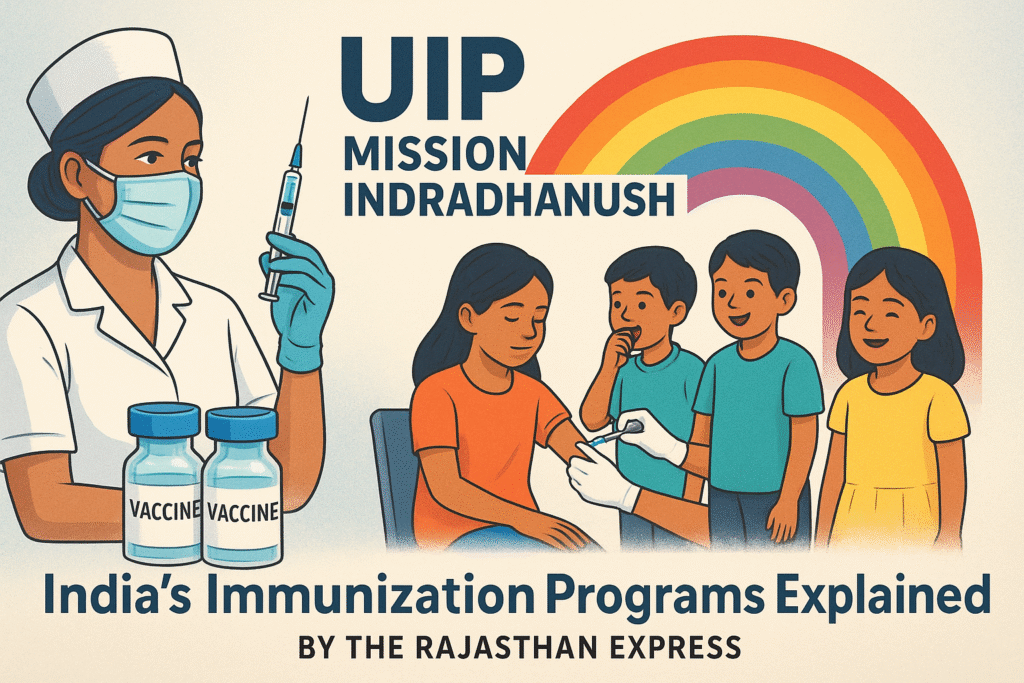
India’s immunization program is one of the largest public health efforts in the world, operating through a tiered framework. This framework is designed to provide universal coverage, target low-coverage areas, and leverage digital technology.
The following table summarizes the key features of India’s immunization framework:
| India’s Immunization Programs Explained: A Structured Framework | |||
| Programme/Initiative | Launch Year | Main Objective | Key Achievements/Features |
|---|---|---|---|
| Universal Immunization Programme (UIP) | 1978 (Restructured as UIP in 1985) | To provide free vaccines against 12 diseases to approximately 2.67 crore newborns and 2.9 crore pregnant women annually. | Key achievements include Polio-free certification (2014) and Maternal & Neonatal Tetanus Elimination (2015). |
| Mission Indradhanush (MI) | December 2014 | To increase full immunization coverage to 90% by focusing on low-coverage areas. | Covered 554 districts; 6.7% increase in the first two phases; IMI 5.0 (2023) covered 34 lakh children and 6 lakh pregnant women. |
| Electronic Vaccine Intelligence Network (eVIN) | 2015 (Phased rollout) | To digitize vaccine logistics and cold chain, enabling real-time stock and temperature tracking. | Completed in 12 states; ongoing in 9 others; poised for pan-India expansion. |
| The Rajasthan Express : Understanding India’s Immunization Framework | |||
Latest Achievements and Progress (2024-2025 Data)
In recent years, India has recorded remarkable progress towards its immunization goals:
- Record High Coverage: In 2024, the South-East Asia Region achieved 92% DTP3 (Diphtheria, Tetanus, and Pertussis) immunization coverage success.
- Major Decline in ‘Zero-Dose’ Children: India recorded a 43% reduction in the number of ‘zero-dose’ children (those who have not received any vaccine), dropping from 1.6 million in 2023 to 0.9 million in 2024.
Vaccination Challenges & Future Directions for India
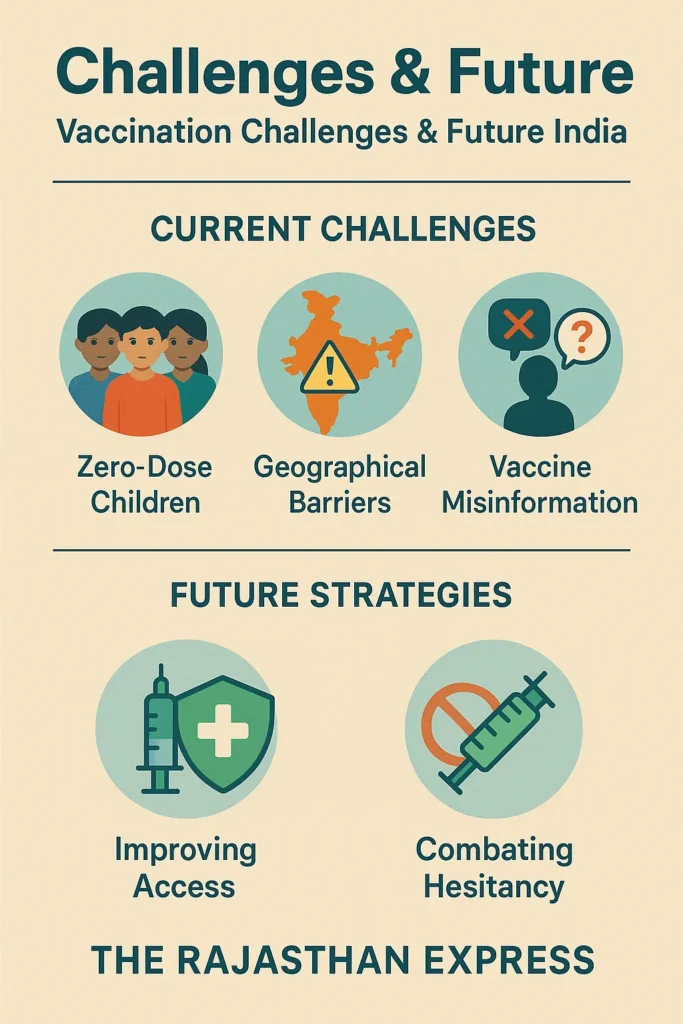
Despite notable successes, India still faces some challenges:
- The Remaining Gap: According to a 2023 study, India still has ~1.44 million ‘zero-dose’ children, making them carriers of preventable diseases. This gap is often concentrated in socio-economically disadvantaged factors, inaccessible geographical areas, and communities affected by misinformation.
- Impact of the Pandemic: The COVID-19 pandemic caused disruptions in vaccine coverage, which exacerbated existing challenges and caused millions of children worldwide to miss vaccine doses.
- Future Strategy: Experts emphasize adopting localized, culturally sensitive approaches to address vaccine hesitancy, increase investment in frontline health workers, and develop a resilient health infrastructure.
Conclusion: Embracing the “Vaccines Work For All” Theme
The National Vaccination Day 2025 theme, “Vaccines Work For All,” is not just a slogan but reflects our collective pledge towards achieving universal immunization coverage . By achieving milestones like polio eradication, maternal and neonatal tetanus elimination, and the COVID-19 vaccination, India has proven its capability in the global health arena. It is the duty of every individual not only to get vaccinated but also to play an active role in spreading awareness about the importance of vaccination in society. Building a healthy, safe, and vaccinated society is the ultimate goal of National Vaccination Day.
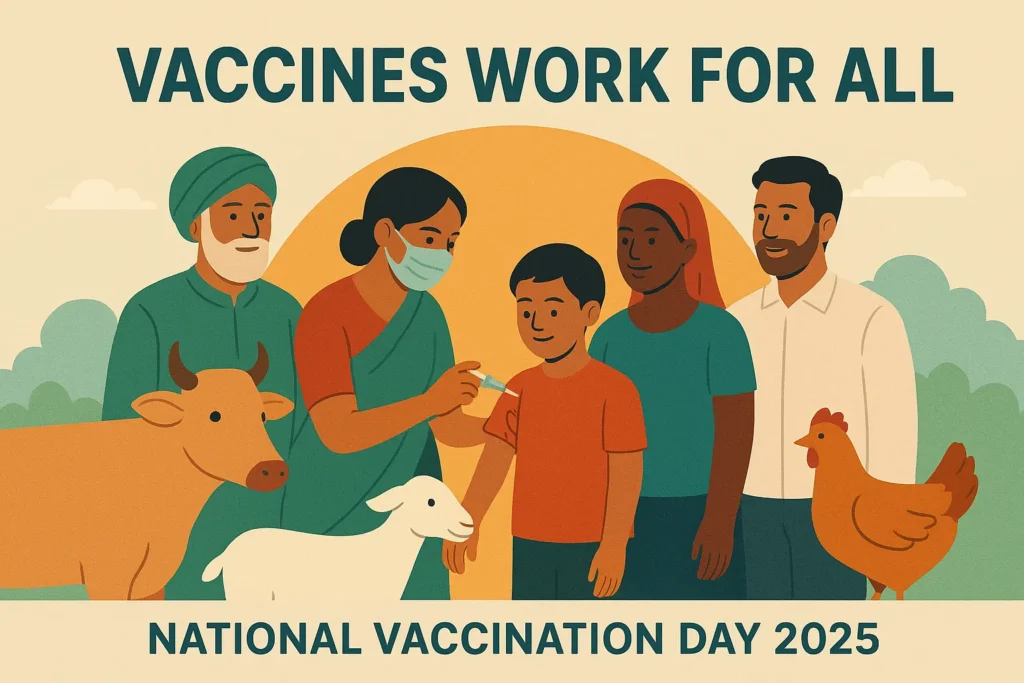
National Immunization Day (Rashtriya Pratirakshan Diwas) is a vital public health campaign observed annually in India on March 16th. Its primary objective is to raise awareness about the prevention of infectious diseases through vaccination. According to the World Health Organization (WHO), vaccines save more than 3 million lives globally every year.
THE RAJASTHAN EXPRESS