 By
ByPiedmontese Cattle: Unveiling the Double-Muscled Italian Beef Marvel
Piedmontese cow is a distinctive breed from the northwestern Piedmont region of Italy, renowned for its unique genetic traits and meat quality. These cattle are raised for dual purposes, primarily for milk and meat production. With a history dating back thousands of years, Piedmontese cow are known for their exceptional meat quality and dairy utility. In this blog post, we will discuss the history, milk and meat production, and main characteristics of Piedmontese cattle.

Piedmontese Cattle
| Conservation Status | Domesticated |
|---|---|
| Scientific Classification |
|
| Scientific Name | Bos taurus |
| Standard | ANABORAPI (Italy) – Associazione Nazionale Allevatori Bovini di Razza Piemontese |
| Main Uses |
|
| Other Names / Synonyms | Razza Bovina Piemontese, Piemontese |
| Origin | Piedmont (Piemonte) region, Northwestern Italy |
| Distribution | Predominantly Italy; also present in Australia, Brazil, Canada, the United States, New Zealand, the United Kingdom, and parts of Europe and South America. |
| Primary Use |
|
| Key Genetic Trait | Homozygous for an inactive myostatin (MSTN) allele (C313Y mutation) causing hypertrophic muscle development (“double-muscling”). This results in very high muscle mass, fine fiber texture, and lean carcass yield. |
| Physical Characteristics |
|
| Weight & Height |
|
| Meat Production & Quality |
|
| Dairy Production |
|
| Temperament & Management |
|
| Feed Efficiency | High feed conversion efficiency; strong performance in comparative feedlot trials (historically ranked first at the Great Western Beef Expo, 1991). Demonstrates excellent retail yield per feed unit. |
| History & Conservation |
|
| Sources: ANABORAPI (Italy); North American Piedmontese Association (NAPA); Oklahoma State University; USDA/ARS Germplasm Evaluation; PMC/NIH publications on MSTN C313Y mutation; FAO DAD-IS; Wikipedia (Piedmontese cattle); The Rajasthan Express. | |
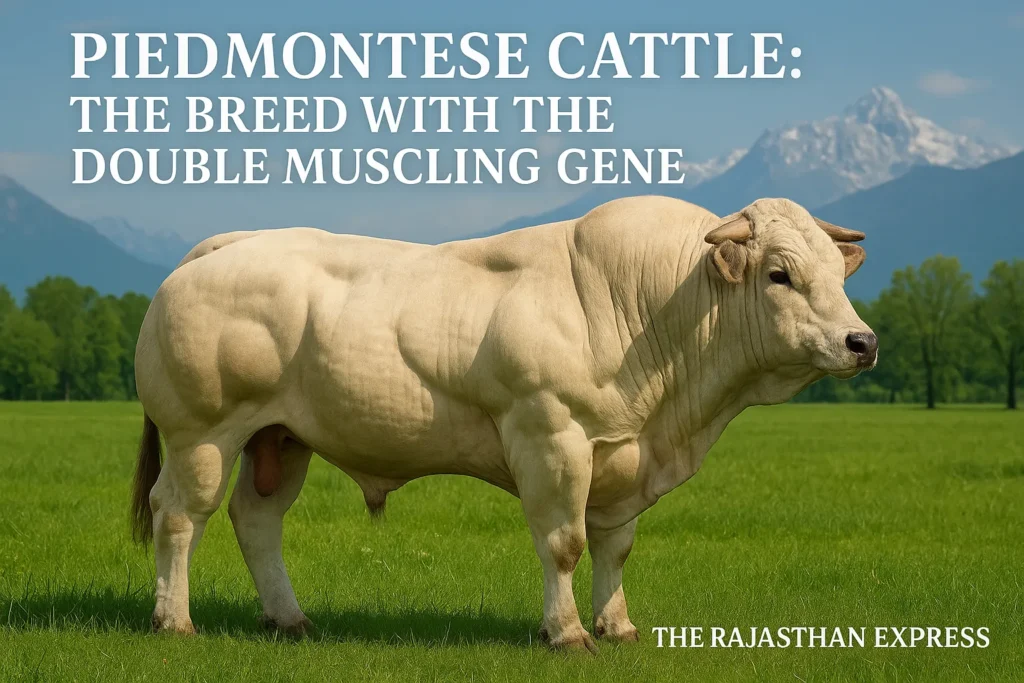
The Piemontese Connection: A Breed Apart in the Cattle Industry
Origin of Piedmontese Cow
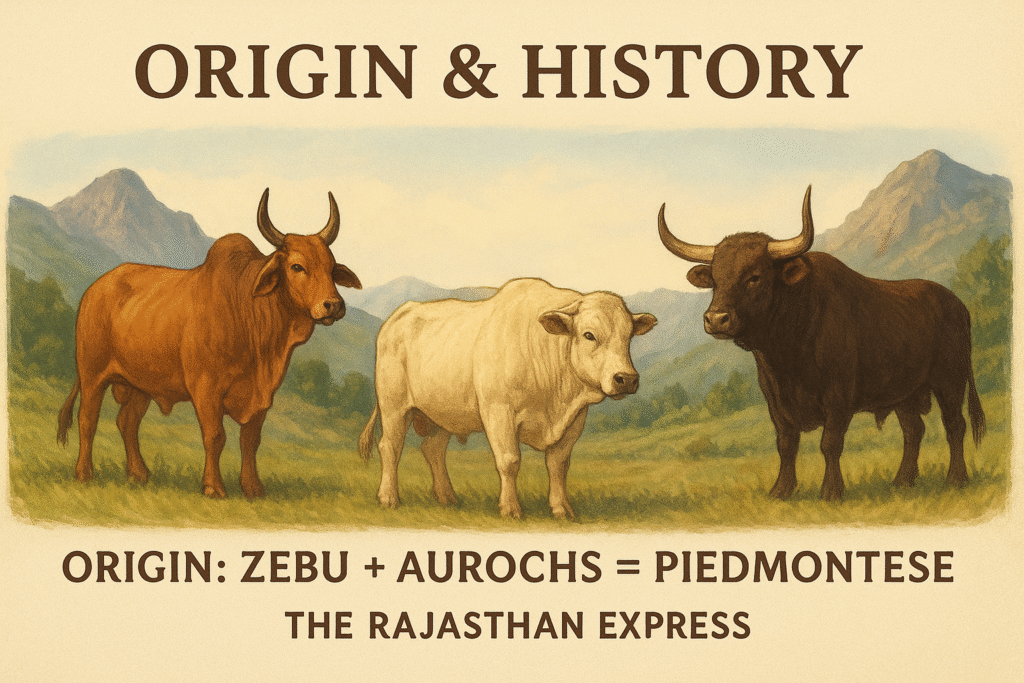
Piedmontese cow originated from the Piedmont region in northwestern Italy, a location protected by the high peaks of the Alps. This area was the original habitat of the ancient European breed Aurochs (Bos primigenius). Most European cattle and the Aurochs belong to the Bos taurus family.
About 25,000 years ago, an interesting event occurred when Zebu cattle (Bos indicus) from the tropical regions of India and Pakistan made a long journey to the valleys of Piedmont. Known for their distinctive traits and size, these Zebu cattle settled in the region, adapting to life at the natural borders of the Alps.


Over time, these Zebu cattle naturally interbred with local Aurochs cattle, creating a new breed. The cattle breeders of the Piedmont region used this natural breeding process to meet their needs, utilizing the cattle for both milk and meat production.
Over the millennia, this natural breeding evolved into cross-breeding, leading to the development of the breed we now know as Piedmontese cattle. The breed’s development was influenced by the unique environmental and geographical conditions of the Piedmont region, enabling them to produce high-quality milk and meat.
Distribution of Piedmontese Cow
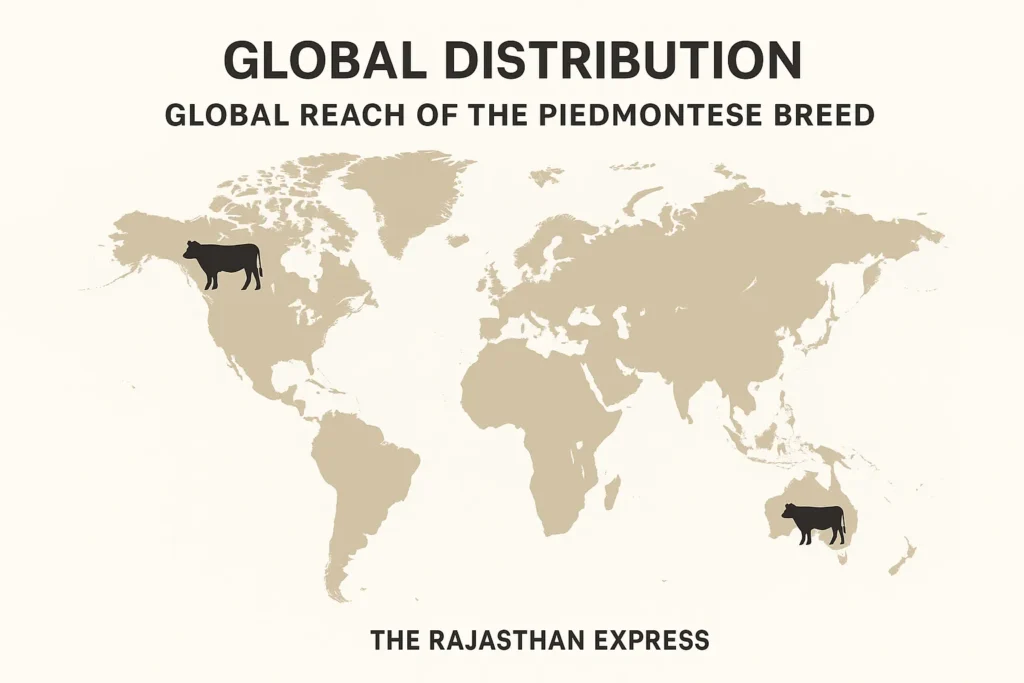
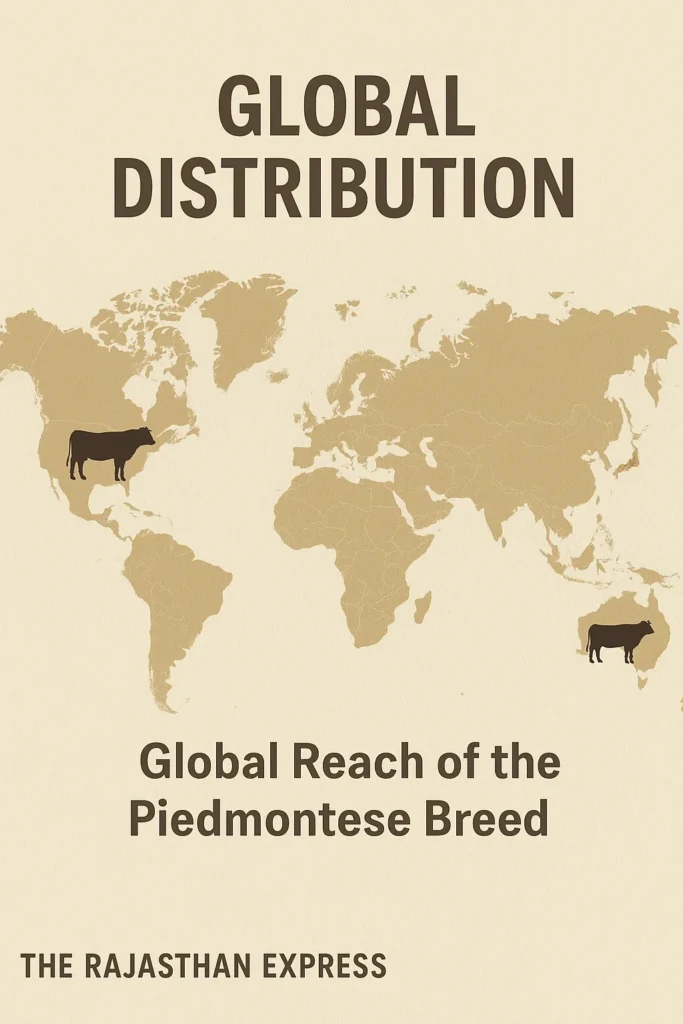
Piedmontese cattle are primarily found in Italy. However, their unique meat qualities have attracted global attention.
Today, Piedmontese cattle are raised worldwide, found in countries such as Australia, Brazil, Canada, Denmark, Great Britain, Holland, Mexico, Poland, and New Zealand.
Alternative Name of Piedmontese Cow
In Italian, this breed is known as “razza bovina Piemontese,” reflecting the Piedmont region and highlighting its significance in Italy’s agricultural and livestock sectors.
Breeding Tract of Piedmontese Cow
The breeding area of Piedmontese cattle is spread across the Piedmont region, where selective breeding was adopted in the late 19th century. The first herdbook was established in 1887, marking the beginning of organized efforts to enhance breed characteristics, emphasizing the prevention of natural mating, including the development of the double-muscling trait.
Main Uses and Premium Qualities of Piedmontese Beef
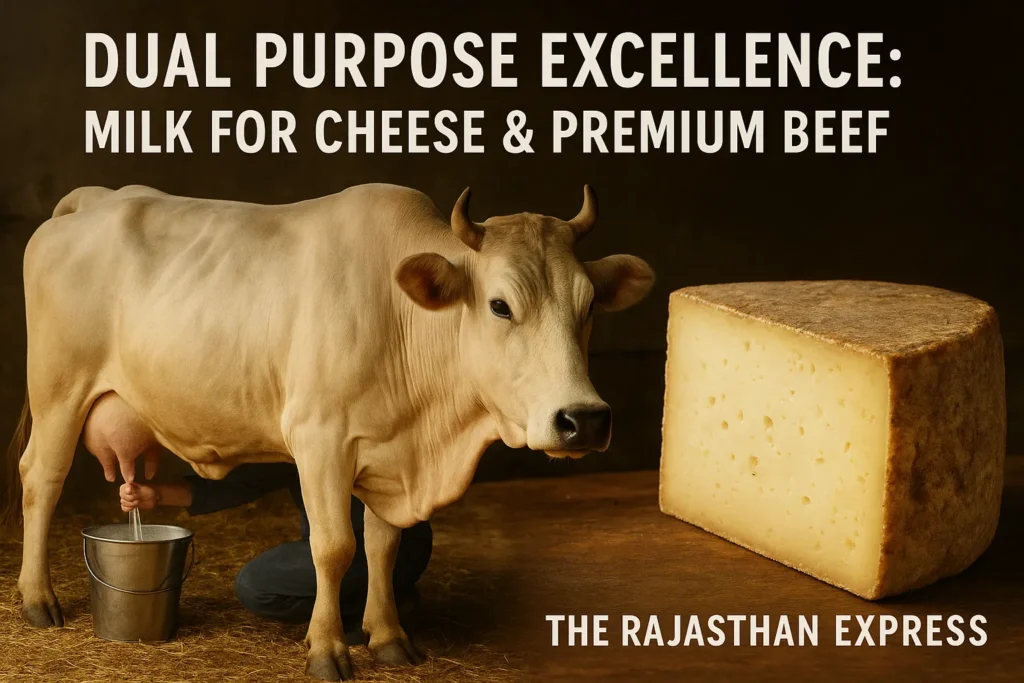
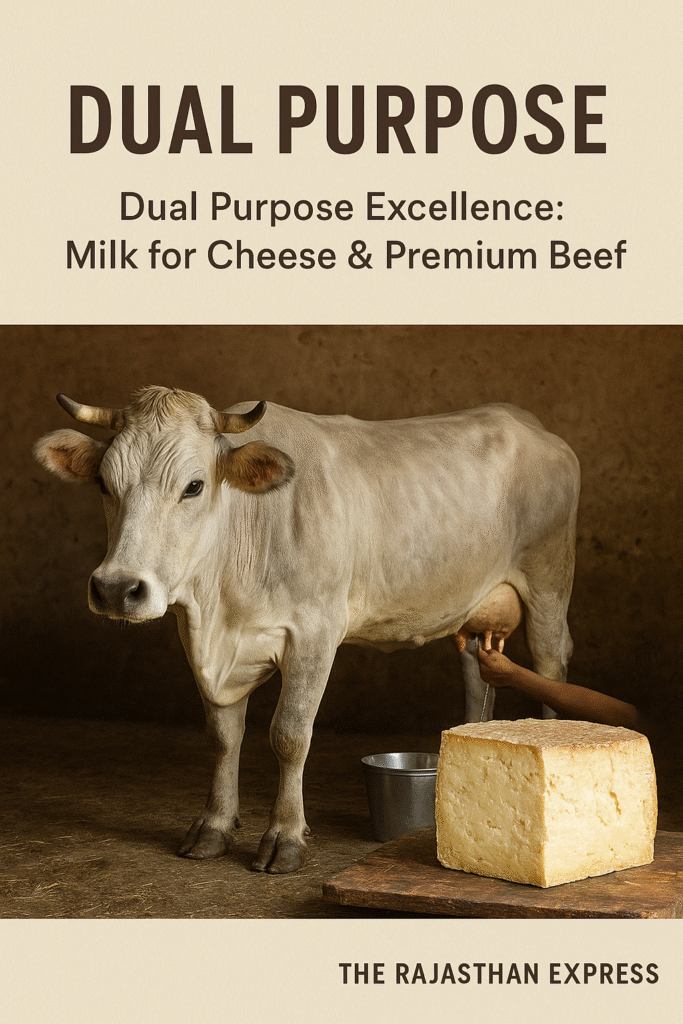
Piedmontese cattle are renowned for their dual-purpose capabilities. In Italy, they are raised for both milk and meat production. The rich milk of Piedmontese cattle is used to produce traditional cheeses like Castelmagno, Bra, Raschera, and Toma Piemontese. Additionally, due to its distinctive qualities, Piedmontese beef is highly valued as a premium product, characterized by a higher lean-to-fat ratio and consistent tenderness.


Physical Characteristics of Piedmontese Cow
Piedmontese cow have some distinctive physical characteristics:
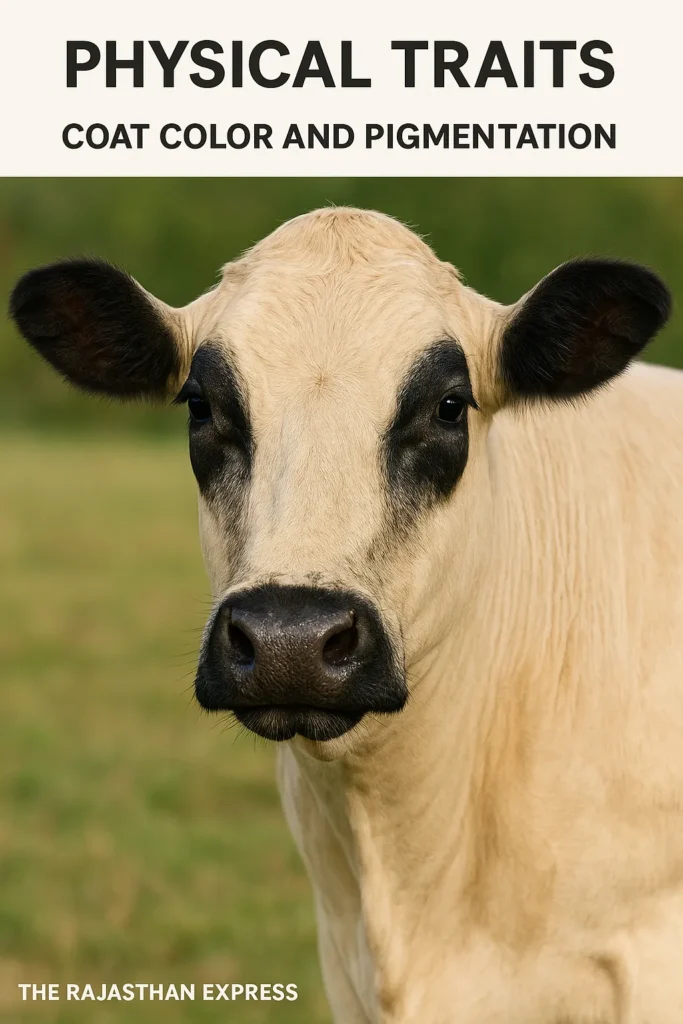
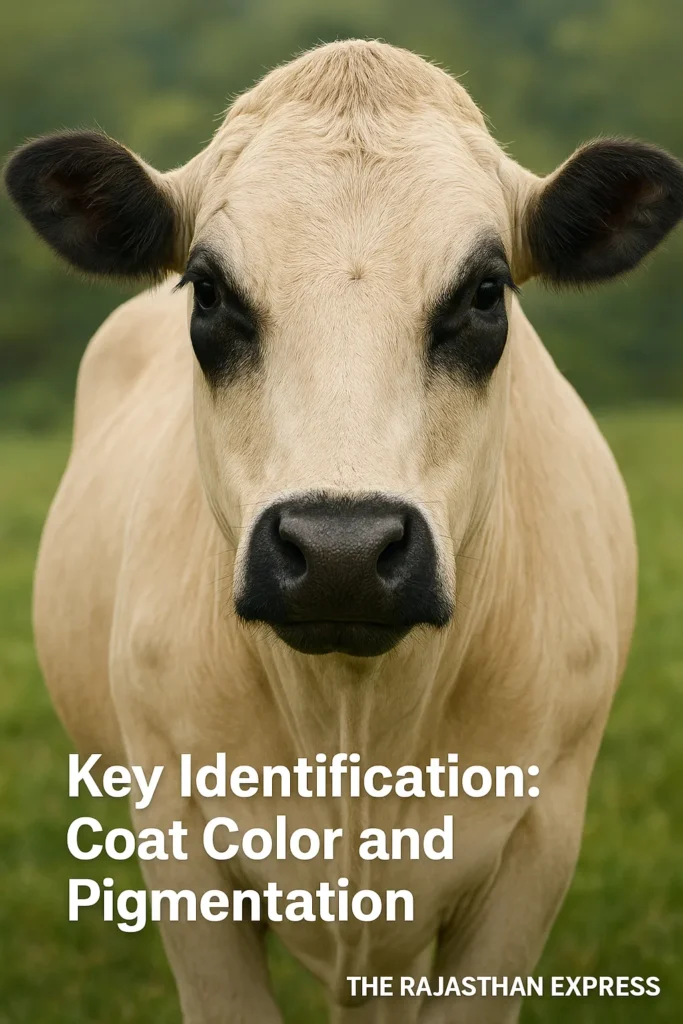
- Piedmontese Cattle Color: At birth, Piedmontese calves are fawn-colored, which changes to a grey-white color as they reach puberty.
- Black Pigment: Piedmontese cattle exhibit black pigmentation around the mouth, eyes, ears, tail tassel, hooves, and horns.
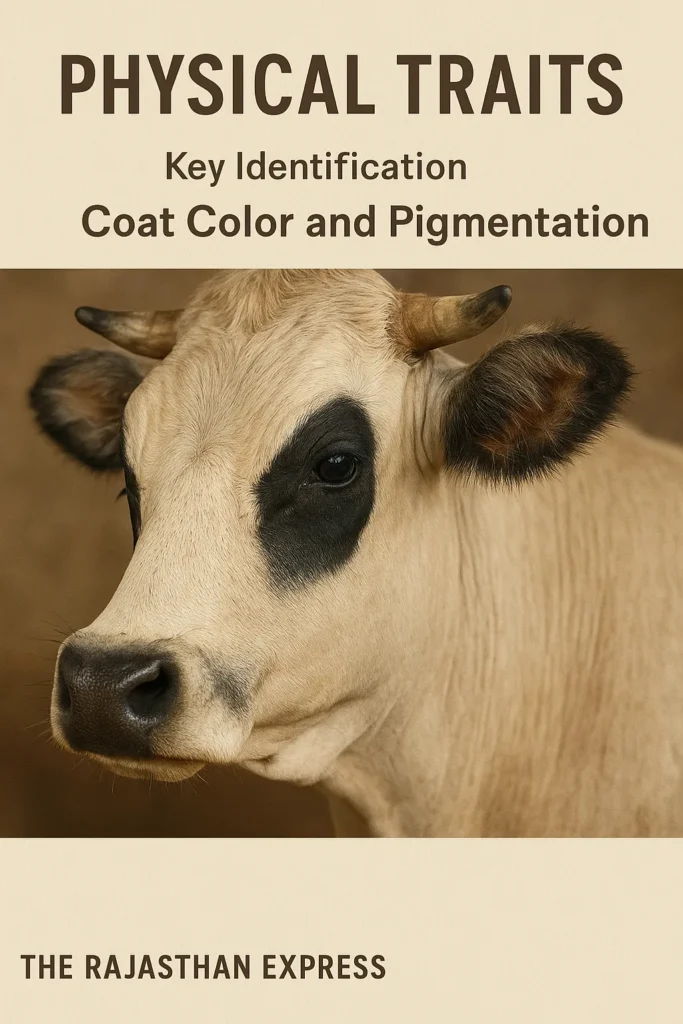
- Size and Structure: The Piedmontese breed is medium-sized, with a broad and muscular body. The average weight of Piedmontese cows is 550-600 kg, while calves typically weigh 40-45 kg at birth.
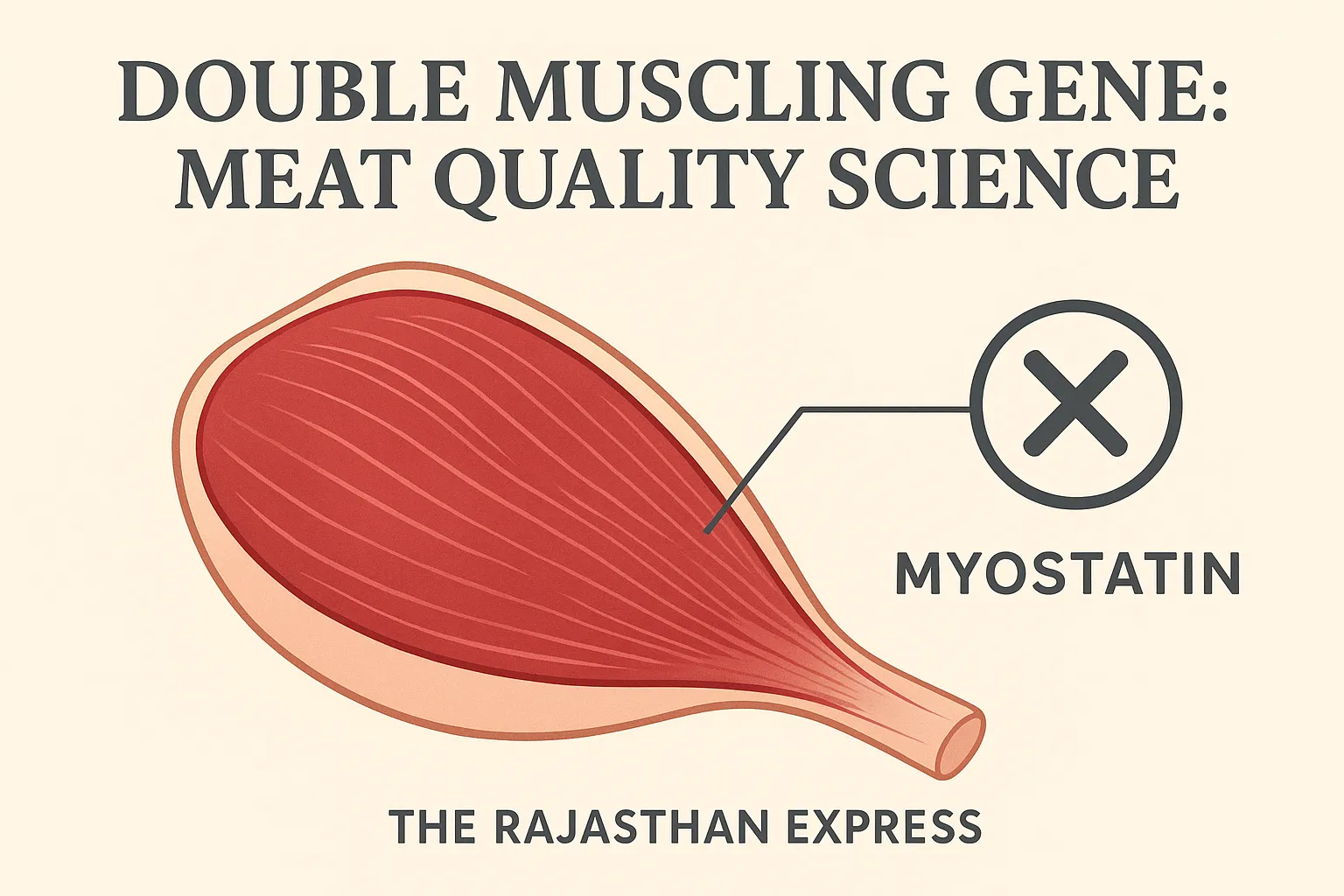
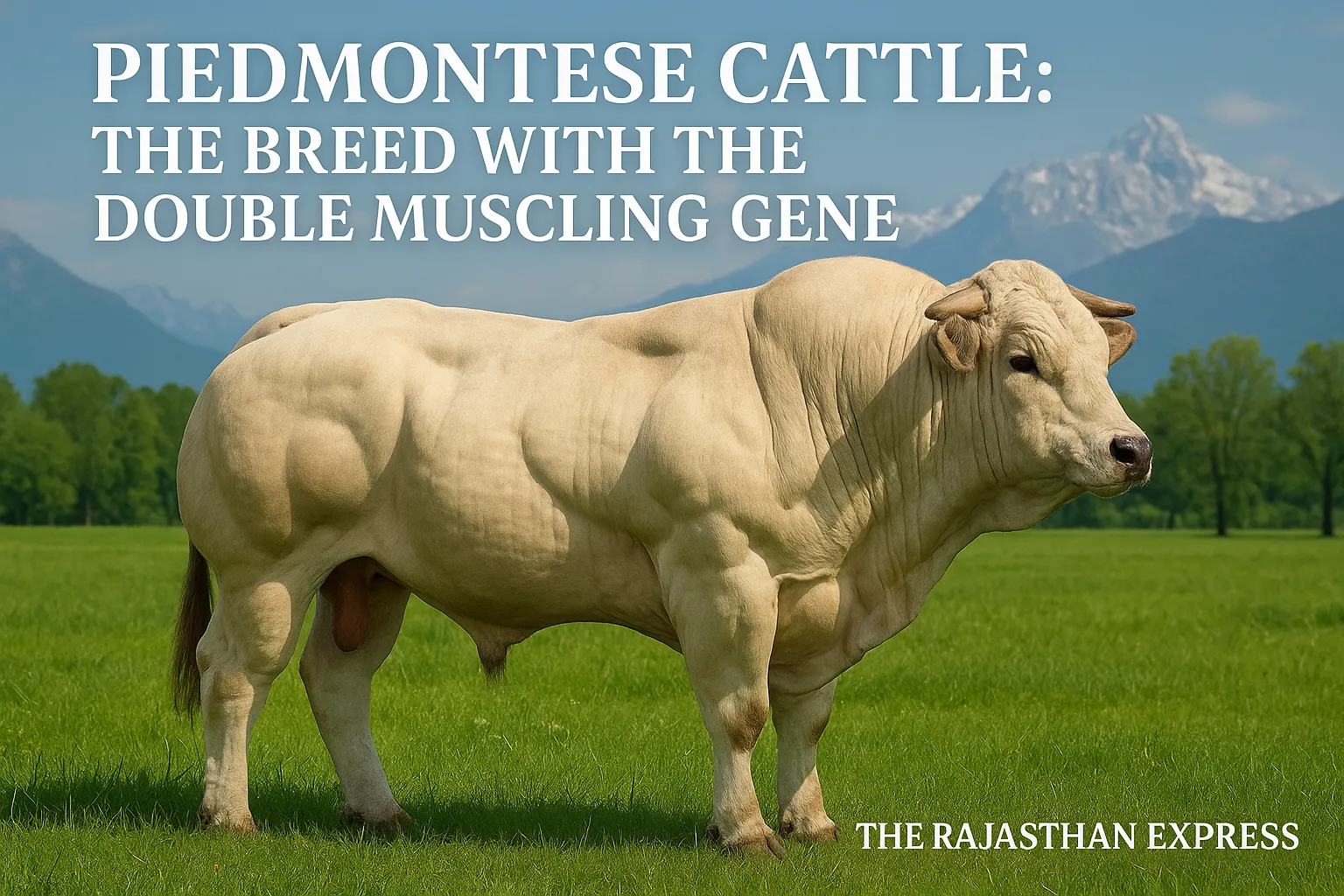
- Double Muscling Gene: The most prominent feature of Piedmontese cattle is double muscling, resulting from a natural mutation of the myostatin gene. This trait enhances muscle growth and results in low-fat content in the meat.


Physical Characteristics of Piedmontese Bulls
Piedmontese bulls are renowned for their remarkable physical traits and genetic qualities. Typically weighing between 750 to 850 kilograms and standing 130 to 135 centimeters tall, these bulls are distinguished by their advanced double muscling gene.
This genetic feature, caused by a natural mutation in the myostatin gene, significantly enhances muscle growth and meat production. Piedmontese bulls produce more meat compared to Piedmontese cows.
Their beef is known for being low in fat and high in protein. To increase meat yield, Piedmontese bulls are often castrated, with these castrated bulls referred to as steers.
Average Measurements:
- Weight of Cow: 550-600 kg
- Weight of Bull: 750-850 kg
- Weight of Calves at Birth: 40-45 kg
- Height of Cow: 131-132 cm
- Height of Bull: 130-135 cm
Key Points on Cattle Breeding and Genetics
- Selective Breeding: A form of outcrossing where selected males are bred with unrelated females within the same herd. Selective breeding is currently the most widely used method.
- Natural Mating: The process of mating between male and female animals without the use of artificial methods. Natural mating increases the risk of sexually transmitted diseases between animals. To prevent this, artificial insemination is now commonly used.
- Artificial Insemination: A technique used to improve animal breeds by artificially introducing collected semen into the reproductive organs of a female animal displaying heat symptoms. Artificial insemination can enhance milk and meat production by utilizing males with superior breeding capacity and traits.
- Selective Breeding: Similar to point 1, selective breeding involves breeding selected males with unrelated females within the same herd and is widely used worldwide.
- Types of Cattle Based on Hump:
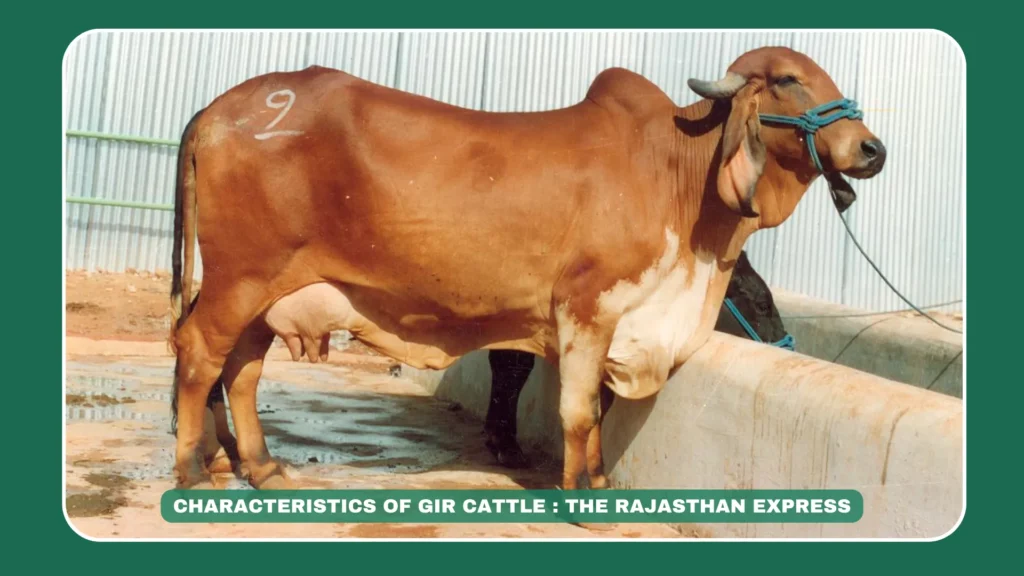
- (A) Humped Cattle: Cattle with humps, scientifically known as Bos indicus, are referred to as Zebu cattle. Zebu cattle typically have lower milk production compared to exotic cattle but possess higher disease resistance. Examples include Gir Cow, Sahiwal Cow, Hariyana Cow, Tharparkar Cattle, Red Sindhi Cattle, and Punganur Cow.
- (B) Humpless Cattle: Cattle without humps are scientifically known as Bos taurus and are called exotic cattle. Exotic cattle are used in cross-breeding, such as the Jersey × Red Sindhi cow. Examples of exotic cattle breeds include Jersey, Holstein Friesian, Brown Swiss, Red Dane, and Ayrshire.
- Cattle-Related Terminology:
- Beef: The meat from cows is referred to as beef. The dressing percentage for beef is approximately 55%.
- Buffen / CaraBeef: The meat from buffaloes is known as Buffen or CaraBeef, with a dressing percentage of about 57%.
- Calving: The process of childbirth in cows and buffaloes is called calving. The offspring of a cow is called a calf.
- Gestation Period: For cows, the gestation period is approximately 9 months and 9 days, or 283 days. For buffaloes, the gestation period is around 10 months and 10 days, or 310 days.
- Serving: The act of mating in cows and buffaloes is referred to as serving.
- Cross Breeding: The process of mating two different breeds within the same species is called cross-breeding. The offspring resulting from cross-breeding are known as cross-breeds.
- Advantages of Cross Breeding:
- Breed Complementation: Incorporating favorable traits from different breeds into a single breed.
- Heterosis / Hybrid Vigor: Offspring exhibit superior traits compared to their parents, known as hybrid vigor. Cross-breed animals can produce more with less feed.
- Advantages of Cross Breeding:
- Double Muscling Gene: An example of a pleiotropic gene, the double muscling gene in cattle affects muscle growth. Due to the presence of this gene, cattle develop significantly more muscle than usual, making them more muscular compared to normal muscle structures. The best examples of the double muscled cattle gene can be seen in breeds like Belgian Blue, Charolais, and Piedmontese cattle. The gene’s impact results in more pronounced and stronger muscles, which is advantageous for meat production.
- Pleiotropic Gene: A gene that controls two or more traits is called a pleiotropic gene.
- Examples:
- Carrier of sickle cell anemia in humans.
- Halothane gene in pigs.
- Double muscling gene in cattle.
- Examples:

Adaptability, Population, and Conclusion
Adaptability and Use
Piedmontese cattle are known for their adaptability to various climates, high feed efficiency, and excellent meat production. They combine traits of Indian Zebu cattle and European native cattle, allowing them to be raised for dual purposes. Due to the myostatin gene mutation, Piedmontese cattle exhibit the double-muscling gene, contributing to their high cutability and premium beef quality.
Population and Conservation
The population of Piedmontese cattle has fluctuated over the years. In Italy, their numbers decreased from around 680,000 in the early 20th century to 600,000 by 1985. However, selective breeding and conservation efforts have led to a resurgence, with 267,243 registered cattle by 2011. Today, the breed is celebrated for its unique genetic traits and contribution to the livestock industry.
Conclusion
The distinctive genetic characteristics of Piedmontese cattle, such as double-muscling and low-fat content, cement their status as the leanest beef cattle breed for meat and milk production. With thousands of years of history and global distribution, this Italian beef cattle breed continues to have a significant and valuable impact on the agricultural industry.

Meet the Piedmontese cow from Italy, famous for its double muscling gene. Discover how its natural mutation creates incredibly lean, tender beef with less fat and more protein. See why this breed is a premium choice for breeders and health-conscious consumers.
THE RAJASTHAN EXPRESS
People Also Ask
Is Piedmontese Beef Healthy?
Is Piedmontese Beef Better Than Wagyu?
What is So Special About Piedmontese Beef?
How Big Are Piedmontese Cows?
What is the Quality of Piedmontese Cattle Meat?
What Are the Advantages of Piedmontese Cattle?
- Dual-purpose utility: They are excellent for both milk and meat production.
- High meat quality: Known for their tender and lean beef with a high protein content.
- Efficient feed conversion: They have high feed efficiency, allowing for better growth and production with less feed.
- Adaptability: They can thrive in various climates, thanks to their robust genetics.
- Superior genetics: The double-muscling gene provides a unique advantage in meat production.
Are Piedmontese Cattle Polled or Horned?
What Are the Characteristics of Piedmontese Beef?
- Low-fat content: Thanks to the double-muscling gene, the beef is leaner with less marbling.
- High protein: The beef is rich in protein, providing essential nutrients.
- Tenderness: Known for its consistent tenderness, making it easy to cook and enjoy.
- Flavor: Offers a unique, robust flavor profile, different from other beef varieties.
What Color Are Piedmontese Cattle?
What is the difference between Bos indicus and Bos taurus?
- Bos indicus, also known as Zebu cattle, originated from the tropical regions of India and Pakistan. They are characterized by a distinctive hump on their shoulders, loose skin, and large ears. These cattle are well adapted to hot and humid climates, making them resistant to high temperatures and certain parasites. Examples of Bos indicus breeds include Gir, Sahiwal, and Red Sindhi.
- Bos taurus, on the other hand, originated in the temperate regions of Europe. These cattle lack the hump that is typical of Bos indicus breeds and have a more robust build. They are well suited to cooler climates and are often more productive in terms of milk and beef under these conditions. Examples of Bos taurus breeds include the Jersey, Holstein Friesian, and Piedmontese cattle.