 By
ByChokla Sheep in Rajasthan: A Symbol of Heat Resistance and Conservation
Sheep rearing has been a vital source of livelihood for people since ancient times. In the rural and dry regions of India, sheep farming provides income, employment, and nutrition to local communities. The Chokla sheep is a prominent indigenous breed of Rajasthan, known for its ability to thrive and produce well under harsh conditions such as low forage, extreme heat, and water scarcity.
This breed is particularly famous for producing high-quality carpet wool. Although its fertility rate is slightly lower compared to some exotic breeds, its hardiness, disease resistance, and adaptability to tough environments make it highly valuable.
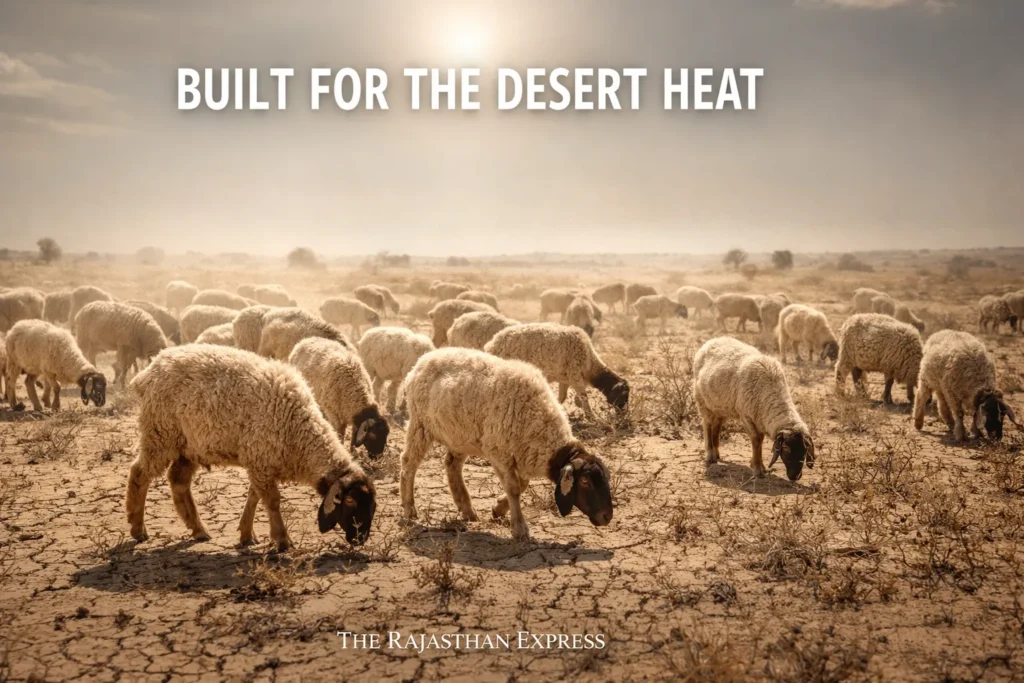
The Chokla sheep breed is registered and recognized by the ICAR–NBAGR (National Bureau of Animal Genetic Resources). It serves as a reliable source of income for farmers and laborers in the arid and semi-arid regions of Rajasthan.
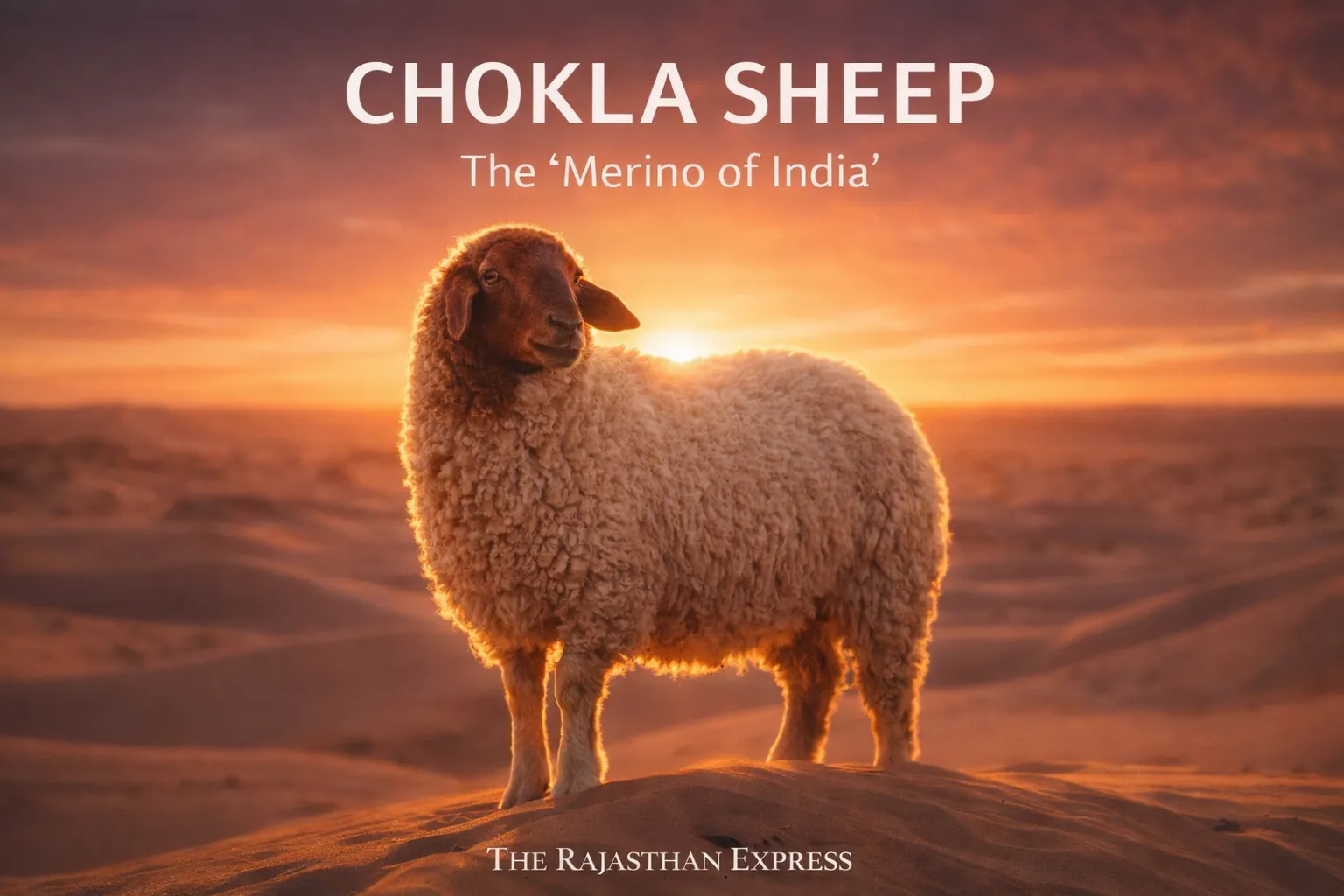
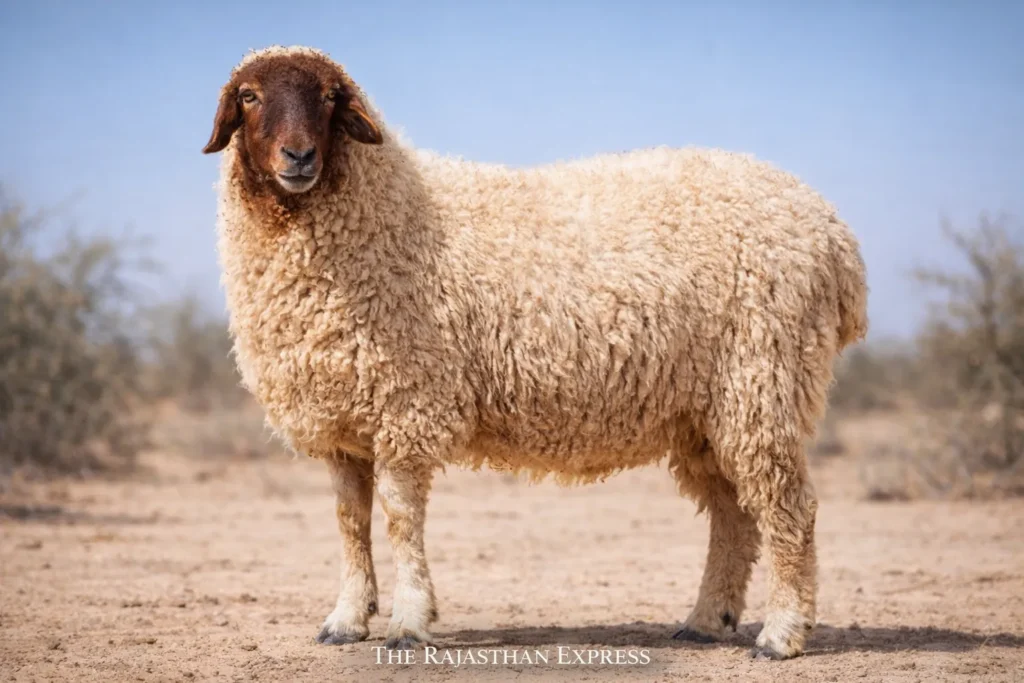
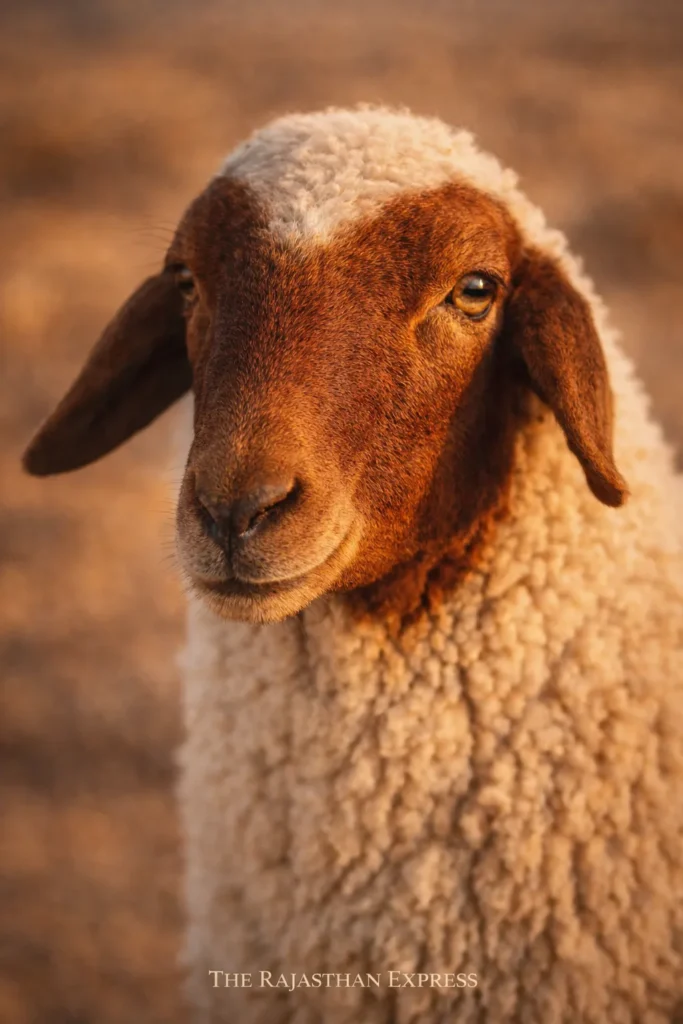
In terms of physical characteristics, the Chokla is light to medium in size. Its face is typically wool-less and exhibits a color ranging from reddish-brown to dark brown, which sometimes extends to the neck. This breed is predominantly found in the districts of Churu, Nagaur, Sikar, Jhunjhunu, Bikaner, and Jaipur.
Limited studies have been conducted on the lifetime reproductive traits of this breed, making such research crucial for understanding its productivity and utility. The Chokla is primarily reared for its wool and meat and is considered one of the finest carpet wool-producing breeds in India. Due to this exceptional quality, it is often referred to as the “Merino of India.”
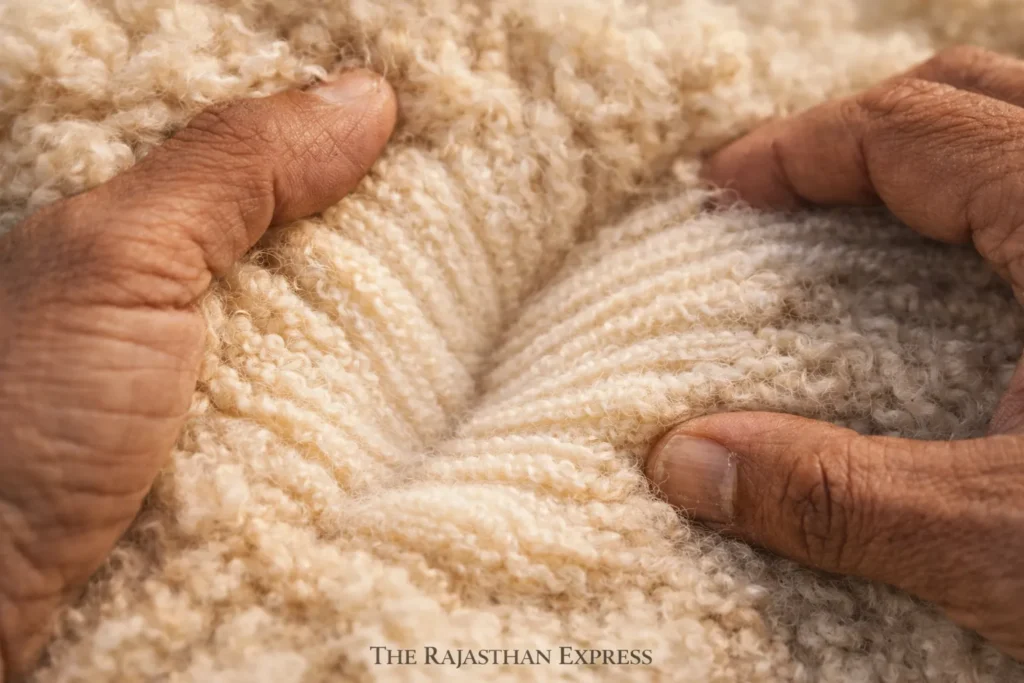
In sheep farming, the number of lambs produced over a lifetime, their survival rate, and their growth directly impact a farmer’s income. Since these factors are influenced by both genetics and environment, understanding these aspects is essential for the improvement and conservation of indigenous breeds.
Chokla Sheep
| Other Names | Shekhawati, Chhapar, Raata Munda, Merino of India, Merino of Rajasthan |
|---|---|
| Breed Type | Indigenous Carpet Wool Breed |
| Origin | Rajasthan, India |
| Home Tract | Jhunjhunu, Churu, Sikar, Nagaur, Bikaner (Shekhawati region) |
| Geographical Coordinates | Latitude: 27°11′–28°19′ N Longitude: 73°40′–75°15′ E |
| Recognition Authority | ICAR–NBAGR (National Bureau of Animal Genetic Resources) |
| Primary Purpose | Carpet Wool Production (also meat) |
| Management System | Extensive; Pasture grazing-based; Stationary |
| Adaptability | Highly adapted to arid and semi-arid climates; heat tolerant; survives on low forage and limited water |
| Physical Characteristics |
|
| Average Body Measurements |
|
| Wool Characteristics |
|
| Reproductive Performance |
|
| Growth Performance |
|
| Genetic Insights | Low heritability (0.02–0.09); productivity improvement mainly influenced by management and environment |
| Population Status |
|
| Nickname | “Merino of India” (due to superior carpet wool quality) |
| Source: ICAR–NBAGR; ICAR–CSWRI; Indian Journal of Animal Sciences; Govt. of India Livestock Census ; The Rajasthan Express | |
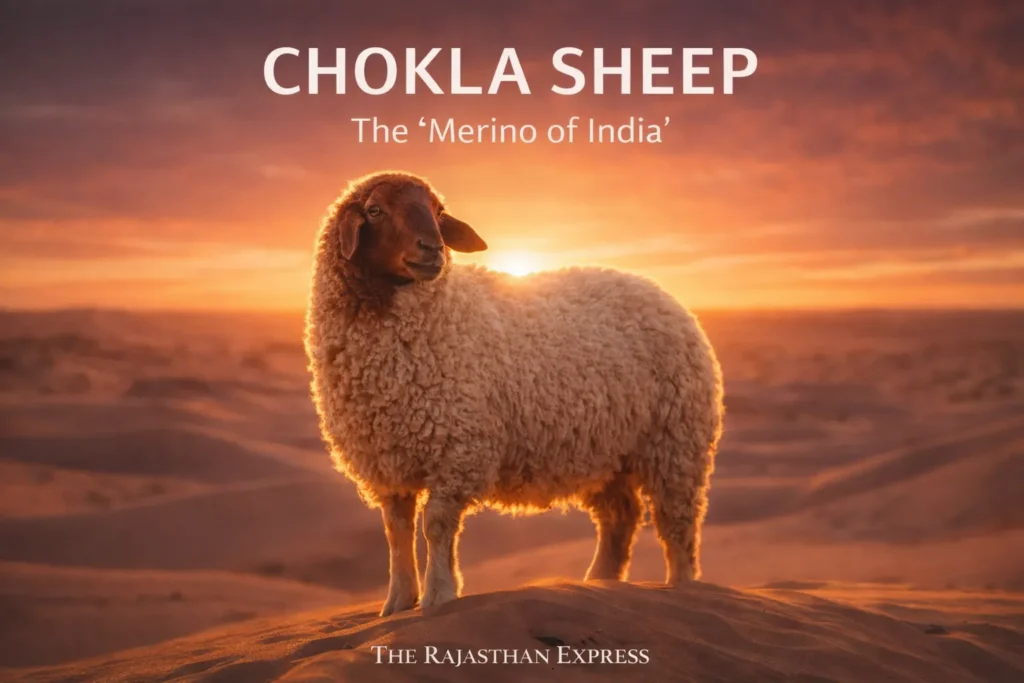
Origin and Distribution of Chokla Sheep
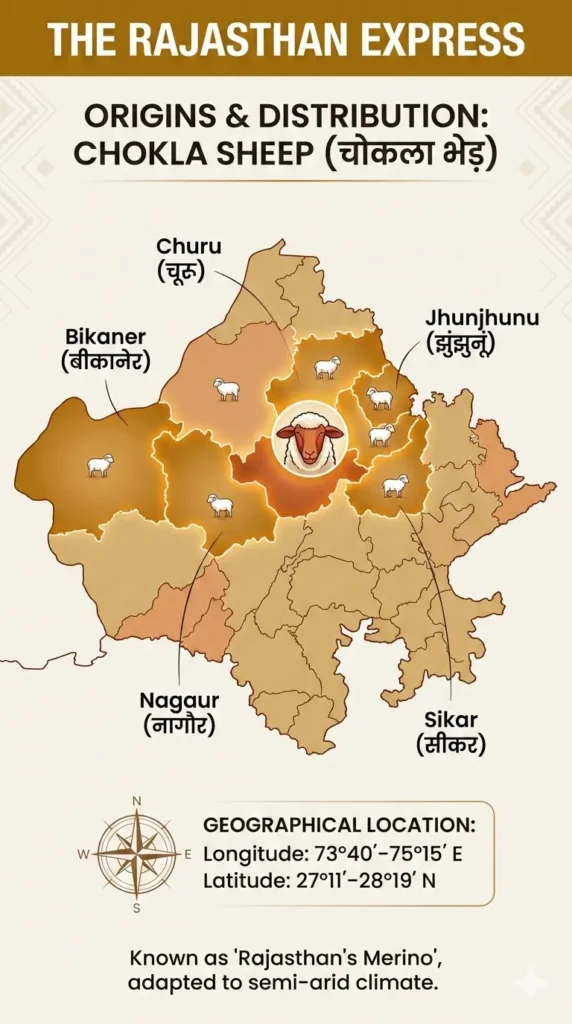
The native home tract of the Chokla sheep is considered to be the Jhunjhunu, Churu, Sikar, Bikaner, and Nagaur districts of Rajasthan. This breed is found in large numbers, specifically in the confluence area of the Nagaur, Churu, and Sikar districts.
The Chokla is primarily raised for wool production. Owing to its superior wool quality, it is famously known as the “Merino of Rajasthan” or the “Merino of India.” This sheep breed of Rajasthan is extremely well-adapted to semi-arid climatic conditions and possesses the capacity to deliver satisfactory production even with low rainfall, high temperatures, and limited feed availability.
Geographical Location:
- Longitude: 73°40′–75°15′ East
- Latitude: 27°11′–28°19′ North
Alternative Names of Chokla Sheep
The Chokla sheep is considered the best carpet wool-producing breed among India’s indigenous sheep, which is why it is also called the “Merino of India.” In Rajasthan, it is locally known by the names Shekhawati, Chhapar, and Raata Munda. These sheep breed names are linked to its geographical origin, traditional breeding tracts, and physical characteristics, and are also recognized by the ICAR–NBAGR (National Bureau of Animal Genetic Resources).
1. Shekhawati —
- This breed is found extensively in the Shekhawati region of Rajasthan (Sikar, Churu, Jhunjhunu), hence it is called the Shekhawati sheep.
2. Chhapar —
- The Chhapar area in Churu district has historically been a major sheep market and traditional breeding center for this breed, which is why it is known as Chhapar sheep.
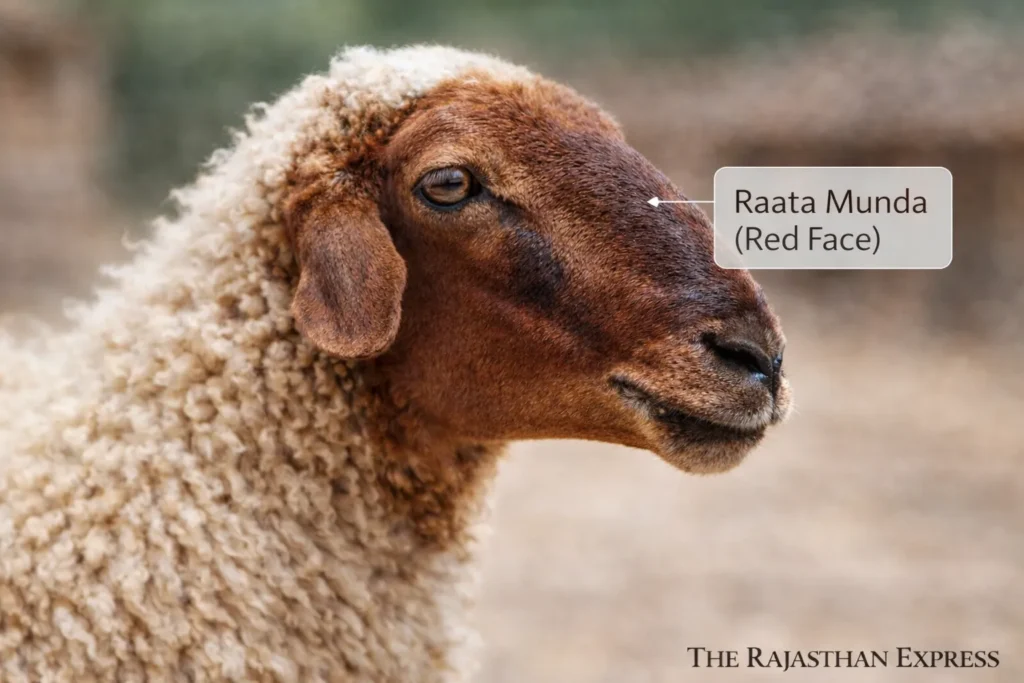
3. Raata Munda —
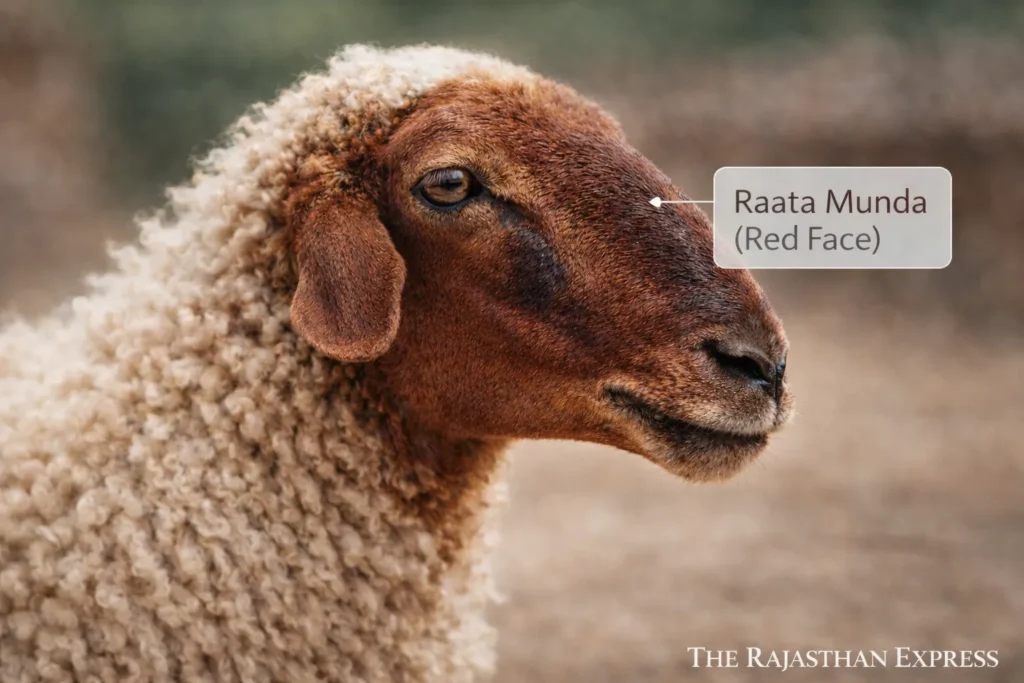
- This name is derived from its reddish-brown muzzle and facial color. In the local dialect, “Raata” means red, and “Munda” means face or muzzle.
Breeding Purpose: Why is Chokla Sheep Reared in Rajasthan?
The Chokla is regarded as India’s finest carpet wool breed. It contributes significantly to the livelihood of people living in the arid and semi-arid regions of Rajasthan. It is primarily reared for wool and meat production. In Churu district and surrounding villages, most flocks consist of Chokla sheep in Rajasthan, which demonstrates its utility and ability to thrive in harsh conditions.
Physical Characteristics and Traits of Chokla Sheep
The Chokla sheep characteristics are distinct and well-adapted to their environment:
1. Body:
- The Chokla sheep has a medium-sized body—neither too large nor too small. Its build is sturdy and well-suited for surviving long periods under difficult conditions.
2. Colour:
- The color of the Chokla sheep is reddish-brown or dark brown. This is why it is also called Raata Munda. In the local language, “Raata” means red and “Munda” means face or muzzle.
3. Face:
- The face is also generally reddish-brown or dark brown, and the facial skin is light pink.
4. Nose:
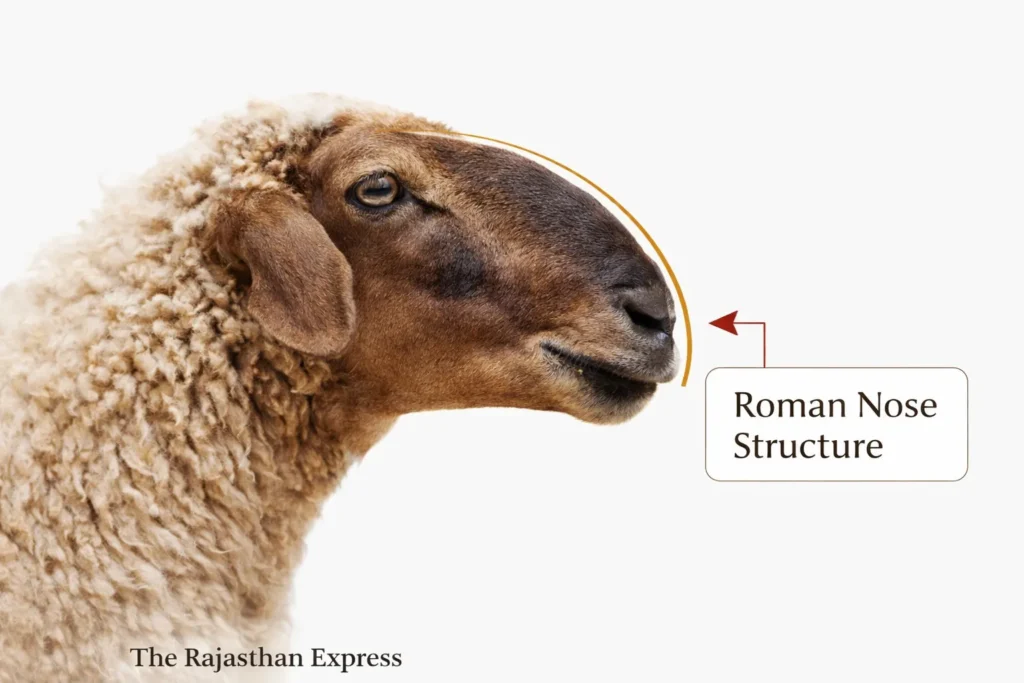
- The Chokla sheep has a slightly raised nose, known as a Roman Nose. This is a key identifying feature of the breed. It is important to note that a Roman nose is also found in some other breeds, such as the Beetal goat, Jamunapari goat, and Jaisalmeri sheep.
5. Ear:
- Its ears are small to medium in length and are slightly tubular in shape.
6. Tail:
- The tail is thin and medium in length.
7. Horns:
- The Chokla sheep is polled (hornless), meaning both males and females do not have horns.
8. Wool:
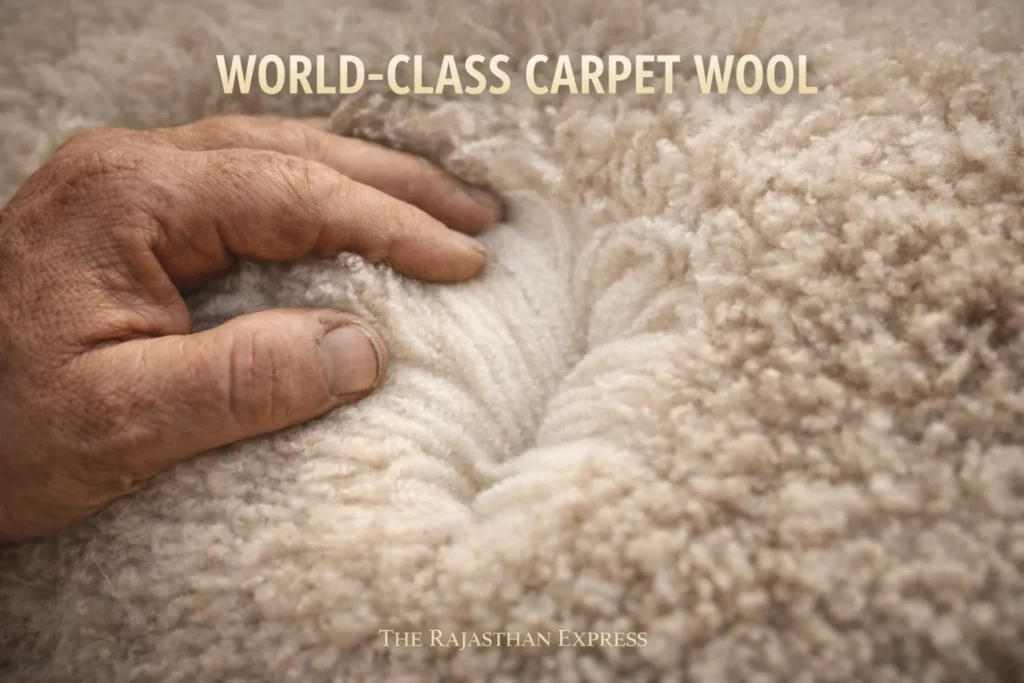
- The most distinctive feature of the Chokla sheep is its wool. It is dense and fine, covering the entire body. This is the primary reason it is raised for wool production. The Chokla sheep wool quality is so high that it is called the “Merino of Rajasthan.”
9. Wool Quality:
- The quality of wool from Chokla sheep is very soft and strong. This is its hallmark. Excellent carpets and fabrics are made from its wool. Chokla wool is sometimes compared to that of the foreign Merino sheep. Among indigenous breeds, it is therefore called the “Merino of India.”
Growth Performance of Chokla Sheep
To understand the growth capacity of the Chokla sheep—meaning their rate of weight gain and how efficiently they utilize feed—a study was conducted. In this study, the Average Daily Gain (ADG) and the Kleiber Ratio (KR) were measured. The objective was to observe which genetic and non-genetic factors influence the growth of lambs.
Study Methodology:
Data spanning 47 years (1974–2020) from the Central Sheep & Wool Research Institute in Bikaner, Rajasthan, was utilized. The study included 6,785 lambs born to 459 rams (sires). The impact of the following factors was examined:
- Sire (father ram)
- Birth year and season
- Sex of the lamb
- Weight of the ewe (mother sheep) at the time of birth
| Growth Performance of Chokla Sheep | ||
| Growth Stage | Average Daily Gain (g/day) | Corresponding Kleiber Ratio |
|---|---|---|
| Birth to Weaning | 118.69 ± 0.55 | 16.42 ± 0.04 |
| Weaning to 6 Months | 64.94 ± 0.70 | 6.79 ± 0.06 |
| 6 Months to 12 Months | 30.60 ± 0.49 | 2.69 ± 0.06 |
|
Meaning of ADG and KR: • ADG (Average Daily Gain) indicates how much weight the lamb gains per day. • KR (Kleiber Ratio) indicates how efficiently the sheep converts feed into body weight. • The highest growth occurs from birth to weaning, after which the growth rate gradually declines. | ||
| THE RAJASTHAN EXPRESS : YOUR TRUSTED SOURCE OF VETERINARY SCIENCE. | ||
Important Findings of the Growth Study
- Effect of Sex: Male lambs were consistently heavier than female lambs.
- Effect of Sire: The sire (father ram) had a significant impact on the growth performance of the lambs. This indicates the presence of genetic variability in these traits.
- Effect of Birth Time and Season: These factors also significantly influenced lamb growth.
- Effect of Ewe Weight: Except for ADG2 and ADG3, the growth of lambs at most age stages was influenced by the mother’s weight.
Useful Tips for Farmers:
If farmers manage their flocks by paying close attention to the selection of the sire, the timing of birth, the season, and the health/weight of the ewe, the growth and production of lambs can be significantly improved. This information also aids in breed improvement programs and the selection of future high-performing lambs.
Physical Measurements of Chokla Sheep (Average)
| Physical Measurements of Chokla Sheep (Average) | ||
| Parameter | Male | Female |
|---|---|---|
| Height (cm) | 69.2 | 63.9 |
| Body Length (cm) | 70.9 | 62.6 |
| Chest Girth (cm) | 82.1 | 75.3 |
| Body Weight (kg) | 41.1 | 29.9 |
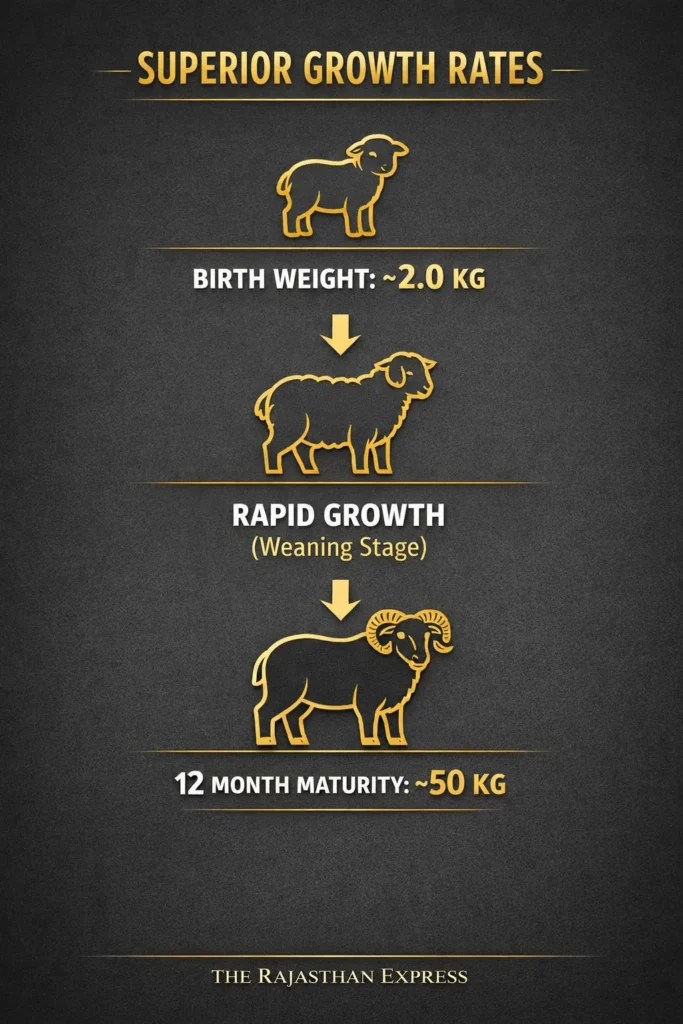
| Birth Weight (kg) | 2.03 | 2.01 |
| THE RAJASTHAN EXPRESS : YOUR TRUSTED SOURCE OF VETERINARY SCIENCE. | ||
Management System
- Management Type: Extensive System
- Mobility: Stationary
- Diet of Adult Animals: Pasture grazing-based
- Note: This breed adapts well even with minimal resources.
Production and Reproductive Performance
| Production and Reproductive Performance | |||
| Parameter | Average | Minimum | Maximum |
|---|---|---|---|
| Age at First Lambing (months) | 18 | 12 | 24 |
| Lambing Interval (months) | 12 | — | — |
| Milk Yield per Lactation (kg) | No Record | — | — |
| Milk Fat (%) | No Record | — | — |
| Number of Lambs at Birth | 1 | — | — |
| Annual Wool Production (kg) | 1.75 | 1.5 | 2.5 |
| Staple Length (cm) | 5.5 | — | — |
| Fiber Diameter (micron) | 23.4 | — | — |
| Dressing Percentage | Not Available | — | — |
| THE RAJASTHAN EXPRESS : YOUR TRUSTED SOURCE OF VETERINARY SCIENCE. | |||
Source By : ICAR-NBAGR
A Look at Studies on the Reproductive Performance of Chokla Sheep
This study was conducted because the Chokla sheep in Rajasthan is a vital livelihood resource for farmers in the arid and semi-arid regions and is renowned for its high-quality carpet wool. Scientists aimed to determine the average number of lambs a ewe produces in her lifetime, the weight gain of those lambs until weaning and maturity, and the genetic and environmental factors influencing these parameters.
For this study, data spanning 22 years (1994 to 2016) was analyzed, including records of 1,001 ewes and their 3,541 lambs. These sheep were initially raised at ICAR institutions in Avikanagar and later in Bikaner, Rajasthan. The study included only those ewes that had completed their full productive life to ensure accurate and reliable conclusions.
Sorce By : https://epubs.icar.org.in/index.php/IJAnS/article/view/93028/37557
Key Reproductive Traits Analyzed
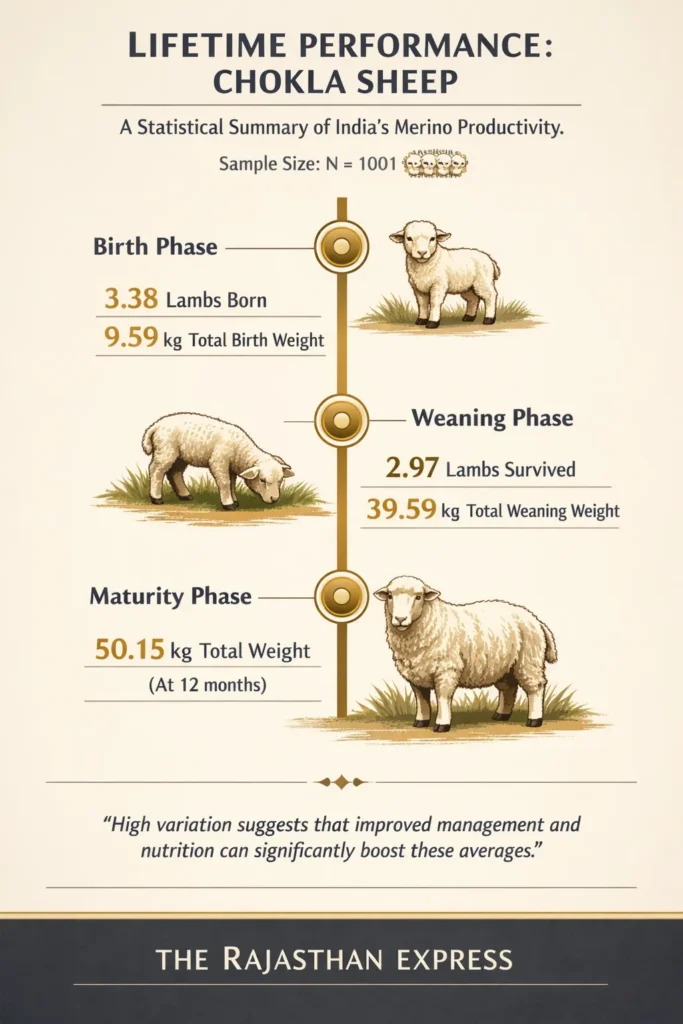
Five main traits were evaluated. On average, a Chokla sheep produces approximately 3.38 lambs in its lifetime, of which about 2.97 lambs survive until weaning. The total birth weight of all lambs from a ewe was found to be approximately 9.59 kg. This total weight increased to about 39.59 kg at weaning and reached approximately 50.15 kg by 12 months of age. This indicates that the reproductive performance of the Chokla breed is moderate, comparable to many Indian native breeds, but lower than that of highly prolific exotic breeds.
The study also found that the year a ewe was born had a profound impact on its lifetime reproductive performance. Over time, improvements in feed, healthcare, medications, and management led to increased production, although some years saw a decline due to disease outbreaks. In contrast, the season of birth, level of inbreeding, and birth weight of the ewe did not significantly affect these lifetime traits.
Genetic Insights and Heritability
Genetic analysis revealed that the heritability for all these traits was very low, ranging from approximately 0.02 to 0.09. This implies that rapid improvement through genetic selection alone is not feasible. In other words, to enhance the productivity of Chokla sheep, greater focus on nutrition, healthcare, housing, disease control, and overall management will be more effective.
The study also observed that ewes whose lambs had a higher total birth weight produced lambs that also achieved higher weights at weaning and 12 months of age. This suggests that focusing on gestational care and nutrition to ensure good birth weight can lead to improved growth and production later on. As age increases, the influence of environment and management surpasses that of genetics.
According to earlier studies, the Chokla sheep breed is considered India’s best carpet wool-producing breed and plays a crucial role in strengthening the rural economy of Rajasthan’s arid and semi-arid regions. This research was based on data from the ICAR–Central Sheep & Wool Research Institute (CSWRI) Chokla sheep database, analyzing the performance of 1,001 ewes born to 164 sires and their 3,541 lambs between 1994 and 2016.
To obtain accurate lifetime data, only ewes born up to 2010 were included, ensuring they had completed their full production life. Among these, 227 ewes produced only one lamb, 155 produced two lambs, and 619 produced three or more lambs.
Data from 1994 to 2012 was collected from the ICAR-CSWRI Avikanagar center in Tonk district, Rajasthan, where temperatures range from -2°C to 48.5°C and average rainfall is about 616 mm. Data from 2013 to 2016 was collected from the Arid Region Campus of ICAR-CSWRI in Bikaner district, where temperatures reach 0 to 49.5°C and rainfall is very low and erratic.
The breeding season for Chokla sheep typically begins in mid-August and lasts until early November, during which they experience 2 to 3 heat cycles. To maintain breed purity, the flock was kept closed, and breeding between parents, siblings, or offspring of the same ram was avoided (i.e., inbreeding was prevented). Selective breeding was practiced, meaning unrelated males and females of the same breed were mated to prevent weakness or a decline in production in the new generation. Selective breeding is currently considered the most effective method for genetic improvement in livestock. (Rajasthan Government Ref. On)
Ewes were mated with a selected ram only once per heat cycle. If conception did not occur, they were mated again in the next heat cycle, a process repeated for a maximum of three cycles. The average litter size (number of lambs born per birth) was approximately 1.02. Lambs were weaned at around 3 months of age.
Summary of Lifetime Reproductive Performance of Chokla Ewes
This table presents the key statistics of the lifetime reproductive performance of Chokla sheep, shown simply. It includes least-squares means (±SE) and the coefficient of variation.
| Summary of Lifetime Reproductive Performance of Chokla Ewes | ||||||
| Effect | N | Total Lambs Born (TLB) | Total Lambs Weaned (TLW) | Total Lamb Birth Weight (TLBW, kg) | Total Lamb Weaning Weight (TLWW, kg) | Total Lamb Weight at 12 Months (TLAW, kg) |
|---|---|---|---|---|---|---|
| Overall Mean (μ) | 1001 | 3.38 ± 0.11 | 2.97 ± 0.11 | 9.59 ± 0.37 | 39.59 ± 1.68 | 50.15 ± 2.51 |
| Coefficient of Variation (%) | — | 57.55% | 62.20% | 62.85% | 69.12% | 83.72% |
| THE RAJASTHAN EXPRESS : YOUR TRUSTED SOURCE OF VETERINARY SCIENCE. | ||||||
Meaning in Simple Terms:
- On average, each ewe gives birth to about 3–4 lambs in her lifetime (data shows 619 ewes produced three or more lambs), and of these, about 3 lambs survive until weaning.
- The total birth weight of the lambs is approximately 9.6 kg, total weaning weight is about 39.6 kg, and by 12 months of age, the total weight reaches approximately 50 kg.
- The high Coefficient of Variation (%) shows that this performance can vary significantly between individual ewes. This means that even within the same breed, production can differ greatly, and this difference largely depends on the farmer’s experience, care, management, nutrition, and environment.
In essence, farmers who provide good care, proper feed, timely medication, and sound breeding practices will have ewes with higher and more stable production. Conversely, those with less care or harsher environments may see lower or irregular production. While the breed is the same, the farmer’s knowledge and management make a substantial difference in output. This table clearly indicates that environmental factors like management, nutrition, and care have the greatest impact on lifetime reproductive performance.
The study found that the year of birth had a major impact on a ewe’s lifetime reproductive performance. Over time, better feed, care, treatment, and management led to increased production, though some years saw a decline due to disease. In contrast, the season of birth, level of inbreeding, and the ewe’s own birth weight did not significantly affect these lifetime traits.
Genetic Parameters and Heritability Estimates
| Genetic Parameters and Heritability Estimates | |||||
| Trait | Direct Additive (σ²ₐ) | Residual (σ²ₑ) | Phenotypic (σ²ₚ) | Heritability (h²) | Log-L |
|---|---|---|---|---|---|
| Total Lambs Born (TLB) | 0.2246 | 3.7939 | 4.0185 | 0.06 ± 0.04 | -1202.781 |
| Total Lambs Weaned (TLW) | 0.1641 | 3.3518 | 3.5159 | 0.05 ± 0.04 | -1136.769 |
| Total Lamb Birth Wt (TLBW, kg) | 3.4430 | 36.0605 | 39.5036 | 0.09 ± 0.05 | -2335.574 |
| Total Lamb Weaning Wt (TLWW, kg) | 34.7973 | 725.4777 | 760.274 | 0.05 ± 0.04 | -3811.553 |
| Total Lamb 12-mo Wt (TLAW, kg) | 40.3763 | 1780.47 | 1820.84 | 0.02 ± 0.04 | -4246.981 |
| THE RAJASTHAN EXPRESS : YOUR TRUSTED SOURCE OF VETERINARY SCIENCE. | |||||
Simple Explanation:
- Direct Additive (σ²ₐ): Indicates how much of the variation in a trait is due to genetic factors.
- Residual (σ²ₑ): The portion of variation influenced by environment, management practices, and housing.
- Phenotypic (σ²ₚ): The total variation, i.e., the combination of genetic and environmental factors.
- Heritability (h²): This percentage shows how much improvement in a trait is possible through selection and breeding alone. For example, the heritability for TLB is 0.06, meaning only 6% improvement can be achieved through genetic selection.
- Log-likelihood (Log-L): A statistical measure of model fit, primarily used in research to indicate the quality of the estimate.
Main Conclusion:
The heritability for all lifetime reproductive traits is very low (0.02–0.09), meaning genetic selection alone will lead to very slow improvement. The influence of environmental and management factors is far greater than genetic factors. Therefore, to enhance the productivity of the flock, focusing on nutrition, health, housing, and management is far more critical than merely selecting for superior parentage.
The genetic study made it clear that the heritability of these traits was very low. This means rapid improvement cannot be achieved through breed selection alone. Consequently, to increase the productivity of sheep, it is more important to focus on nutrition, healthcare, living conditions, disease control, and overall management.
The study also confirmed that ewes producing lambs with a higher total birth weight had lambs that gained more weight by weaning and 12 months. This implies that proper care during gestation to ensure good birth weight can lead to improved growth and production later on. As age increases, the impact of environment and management surpasses genetic influence.
Overall, this research indicates that the lifetime reproductive performance of the Chokla sheep is average, and the greatest potential for improvement lies in good management, better nutrition, and proper health services, rather than genetic selection alone. By focusing on these areas, farmers can achieve better production and greater economic returns from their Chokla flocks.
Genetic and Phenotypic Correlations for Lifetime Traits in Chokla Sheep
This table shows the correlations between lifetime reproductive traits in Chokla sheep. Values above the diagonal are genetic correlations, and values below the diagonal are phenotypic correlations.
| Genetic and Phenotypic Correlations for Lifetime Traits in Chokla Sheep | |||||
| Trait | TLB | TLW | TLBW | TLWW | TLAW |
|---|---|---|---|---|---|
| TLB | — | 0.99 ± 0.05 | 0.93 ± 0.05 | 0.93 ± 0.08 | 0.50 ± 0.46 |
| TLW | 0.93 ± 0.01 | — | 0.94 ± 0.09 | 0.93 ± 0.07 | 0.36 ± 0.71 |
| TLBW | 0.97 ± 0.01 | 0.92 ± 0.01 | — | 0.90 ± 0.08 | 0.67 ± 0.30 |
| TLWW | 0.92 ± 0.01 | 0.97 ± 0.01 | 0.92 ± 0.01 | — | 0.51 ± 0.48 |
| TLAW | 0.76 ± 0.01 | 0.82 ± 0.01 | 0.77 ± 0.02 | 0.84 ± 0.01 | — |
| THE RAJASTHAN EXPRESS : YOUR TRUSTED SOURCE OF VETERINARY SCIENCE. | |||||
Key Points:
- TLB: Total Lambs Born
- TLW: Total Lambs Weaned
- TLBW: Total Lamb Birth Weight (kg)
- TLWW: Total Lamb Weaning Weight (kg)
- TLAW: Total Lamb Weight at 12 Months (kg)
Main Takeaways:
- The values above the diagonal represent genetic correlations. They indicate how quickly improvement in two traits can happen simultaneously through genetic selection.
- Example: The genetic correlation between TLB and TLW is 0.99 ± 0.05, meaning if you select for a higher number of lambs born, you will see an almost equal improvement in the number of lambs weaned.
- The values below the diagonal represent phenotypic correlations. These show the relationship between traits when including the effects of environment and management.
- Example: The phenotypic correlation between TLB and TLW is 0.93 ± 0.01, meaning even with environmental influences, both traits move closely together.
- Overall, strong positive correlations were found among all major traits. This means that if one trait is improved, related traits are also likely to see improvement.
- The genetic correlation of Total Lamb Weight at 12 Months (TLAW) with other traits is slightly lower, indicating that to improve this specific trait, more attention must be paid to environmental factors and management practices.
Breeding Improvement Program for Chokla Sheep
Through the breeding improvement program for Chokla sheep in Rajasthan, continuous enhancements are being made to its quality and wool utility. Currently, the wool production from this breed achieves a modulation percentage of 30%, which is ideally suited for carpet manufacturing.
Since 1992, through intensive selection and improved management practices, the six-month body weight of Chokla sheep has increased from 16.51 kg to 24.83 kg. Additionally, the first 6-month greasy fleece yield (GFY) has risen from 0.918 kg to 1.438 kg.
Overall, a total of 300 rams have been sold or distributed to farmers and government agencies. This highlights the significant outcomes of Rajasthan’s breed improvement programs for this valuable indigenous genetic resource.
Population Status of Chokla Sheep
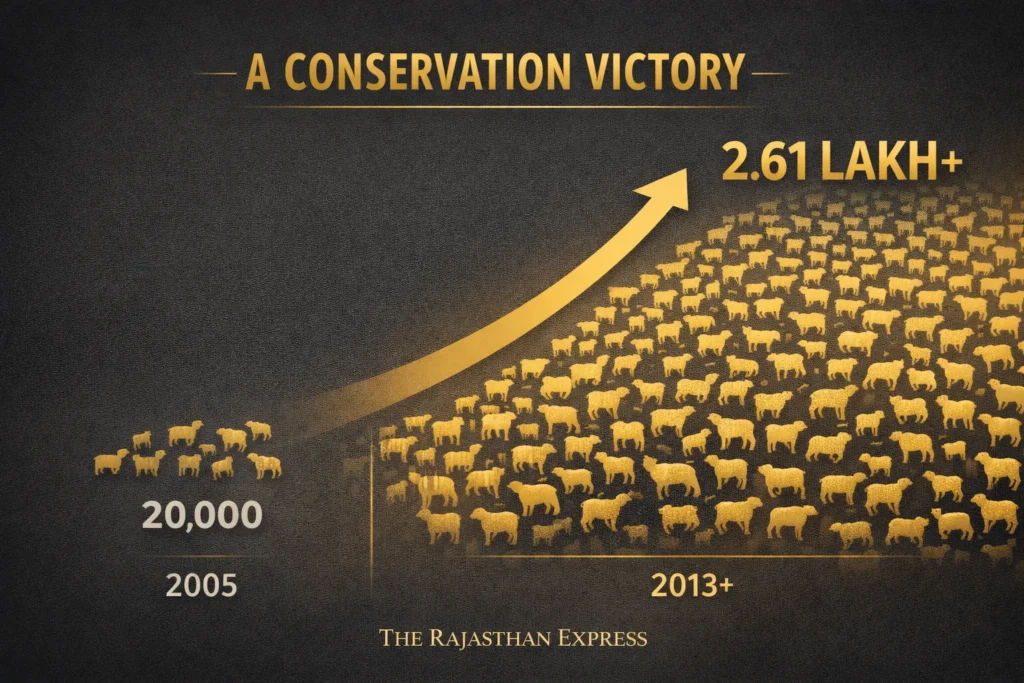
Understanding the chokla sheep population trends is essential for conservation planning and assessing the breed’s viability. The following table presents the estimated population figures from two major surveys:
| Population Status of Chokla Sheep | ||
| Year | Population | Source / Remarks |
|---|---|---|
| 2005 | 20,000 | Indian Journal of Animal Sciences, 2008, 78(9): 1039 |
| 2013 | 261,514 | Estimated Livestock Population Breed Wise Based on Breed Survey 2013, Department of Animal Husbandry, Dairying & Fisheries, Govt. of India, New Delhi |
| THE RAJASTHAN EXPRESS : YOUR TRUSTED SOURCE OF VETERINARY SCIENCE. | ||
Key Points:
- In 2005, the population of Chokla sheep was only 20,000, indicating a critical status.
- By 2013, the population had increased significantly to approximately 2.61 lakh (261,514) , reflecting successful conservation efforts and widespread breeding programs.
- This breed is primarily found in the Shekhawati region of Rajasthan.
Sheep Breeds Found in Rajasthan
Rajasthan is home to several distinct indigenous sheep breeds, each adapted to the state’s diverse agro-climatic conditions. The sheep breed name and their characteristics vary by region. The major sheep breeds of Rajasthan include:
- Chokla Sheep
- Magra Sheep
- Marwari Sheep
- Malpura Sheep
- Nali Sheep
- Sonadi Sheep
- Pugal Sheep
- Jaisalmeri Sheep
- Kheri Sheep
Each of these breeds possesses unique traits related to wool quality, body size, and adaptation to the local environment, contributing to the rich diversity of livestock genetic resources in the state.
References
- Arora C L and Garg R C. 1998. Sheep production and Breeding. International Book Distributing Company.
- Duguma G, Schoeman S J, Cloete S W P and Jordaan G F. 2002. Genetic and environmental parameters for ewe productivity in Merinos. South African Journal of Animal Sciences 32(3): 154–59.
- Duncan D B. 1957. Multiple range tests for correlated and heteroscedastic means. Biometrics 13(2): 164–76.
- Falconer D S. 1960. Introduction to Quantitative Genetics. Oliver and Boyd, Edinburgh, London.
- Gowane G R, Prince L L L, Paswan C, Misra S S, Sharma R C and Naqvi S M K. 2014. Genetic analysis of reproductive and fitness traits of Malpura sheep in semi-arid tropics of India. Agricultural Research 3(1): 75–82.
- SAS Institute. 2011. SAS/IML 9.3 User’s guide. SAS Institute.
- Jafari S and Manafiazar G. 2016. Estimates of genetic parameters for lifetime reproductive performance traits in Makuiu ewes. Small Ruminant Research 139: 67–72.
- Jain A, Singh G and Yadav D K. 2009. Chokla-an endangered sheep genetic resource. Indian Journal of Animal Sciences 79(10): 1071–72.
- Kinghorn B and Kinghorn S. 2003. Pedigree viewer. Armidale, Australia: University of New England.
- Meyer K. 2007. WOMBAT-A tool for mixed model analyses in quantitative genetics by restricted maximum likelihood (REML). Journal of Zhejiang University Science 8(11): 815–21.
- Mishra A K, Arora A L, Kumar S, Gupta D C and Singh V K. 2007. Ewe productivity efficiency of single and multiple lambs bearing of Garole, Malpura and their crossbred ewes. Indian Journal of Animal Sciences 77(8): 70–74.
- Narula H K, Yadav S B S, Sharma P R and Mehrotra V. 2009. Growth and reproductive performance of Magra sheep of Rajasthan. Indian Journal of Animal Sciences 79(6): 639–41.
- Notter D R, Ngere L, Burke J M, Miller J E and Morgan J L M. 2018. Genetic parameters for ewe reproductive performance and peri-parturient fecal egg counts and their genetic relationships with lamb body weights and fecal egg counts in Katahdin sheep. Journal of Animal Sciences 96(5): 1579–89.
- Olivier J J. 2002. The South African National Small Stock Improvement Scheme. International Livestock Research Institute.
- Olivier W J, Snyman M A, Olivier J J, Wyk J B Van and Erasmus G J. 2001. Direct and correlated responses to selection for total weight of lamb weaned in Merino sheep. South African Journal of Animal Science 31(2): 115–21.
- Vatankhah M. 2016. Phenotypic and genetic factors affecting on reproductive lifetime of Lori Bakhtiari Ewes. Iranian Journal of Applied Animal Science 6(1): 125–31.
- Zishiri O T, Cloete S W P, Olivier J J and Dzama K. 2013. Genetic parameters for growth, reproduction and fitness traits in the South African Dorper sheep breed. Small Ruminant Research 112(1-3): 39–48.
Discover Chokla sheep in Rajasthan—a prized Indian breed known for superior carpet wool. Learn characteristics, population, wool quality, and farming insights.
THE RAJASTHAN EXPRESS
People Also Ask About Chokla Sheep
Where is the Chokla sheep found in Rajasthan?
Which sheep breed is known as the “Merino of India”?
What are the major sheep breeds of Rajasthan?
- Chokla Sheep
- Magra Sheep
- Marwari Sheep
- Malpura Sheep
- Nali Sheep
- Sonadi Sheep
- Pugal Sheep
- Jaisalmeri Sheep
- Kheri Sheep
Is Chokla the best sheep breed for Rajasthan’s climate?
What are the identifying characteristics of Chokla sheep?
- Body: Medium-sized, sturdy body, neither too large nor too small.
- Colour: Reddish-brown or dark brown color.
- Face: Reddish-brown or dark brown face with light pink skin.
- Nose: Slightly raised nose called Roman Nose – a key identifying feature.
- Ear: Small to medium length ears, slightly tubular in shape.
- Tail: Thin and medium in length.
- Horns: Polled (hornless) – both males and females do not have horns.
- Wool: Dense and fine wool covering the entire body.
Do Chokla sheep have horns?
How to identify a purebred Chokla sheep?
Why is Chokla sheep wool considered high quality?
What is the average wool yield of a Chokla sheep per year?
Is Chokla wool used for making carpets or clothing?
What is the fineness (micron count) of Chokla wool?
What is the current population of Chokla sheep in India?
Is the Chokla sheep breed endangered?
Where is the main breeding center for Chokla sheep located?
- Avikanagar Center: Located in Tonk district, Rajasthan, where temperatures range from -2°C to 48.5°C with average rainfall of about 616 mm.
- Bikaner Center: Located in Bikaner district (Arid Region Campus of ICAR-CSWRI), where temperatures reach 0 to 49.5°C with very low and erratic rainfall.